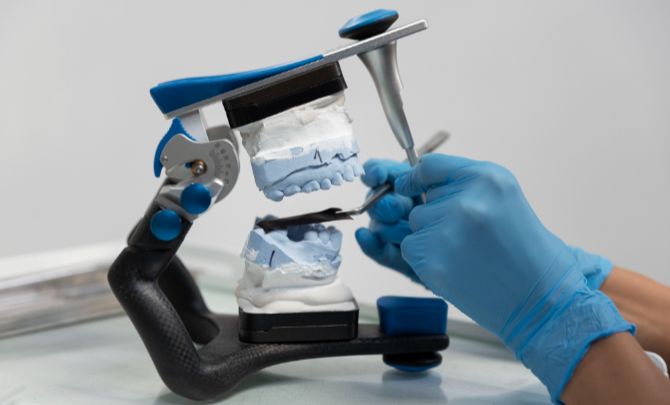
Maintaining dental implants requires consistent attention and care to ensure their longevity and functionality. Unlike natural teeth, implants are artificial structures anchored into the jawbone, making their upkeep crucial to avoid complications such as infections or mechanical issues. Regular check-ups provide a vital opportunity to monitor the health of the implant and surrounding tissues, detect early signs of problems, and implement preventive measures. We will explore why routine visits to the dental professional are essential components of implant maintenance, how they contribute to oral health, and the specific benefits they offer to patients with dental implants.
Why Regular Check-Ups Matter for Implant Maintenance
1. Early Detection of Peri-Implant Diseases
One of the most important reasons to attend regular check-ups for patients receiving dental implants in North Vancouver is the early identification of peri-implant diseases such as mucositis and peri-implantitis. These conditions involve inflammation of the soft tissues and bone around the implant, respectively. If left untreated, they can lead to implant failure. During routine appointments, dental professionals thoroughly examine the implant site for any signs of redness, swelling, bleeding, or bone loss. Early diagnosis allows for timely intervention, which often involves non-invasive treatments that can reverse inflammation before it causes significant damage. Without regular monitoring, these issues can progress unnoticed, jeopardizing the implant’s stability and the patient’s overall oral health.
2. Professional Cleaning to Remove Plaque and Tartar
Though patients are encouraged to maintain excellent oral hygiene at home by incorporating use of Oral probiotics amazon, plaque and tartar can still accumulate around implants.
Unlike natural teeth, implants do not have a periodontal ligament, making them more vulnerable to bacterial build-up. Regular professional cleanings are designed to remove these deposits safely without damaging the implant surface. This cleaning is essential to prevent bacterial colonization that can trigger inflammation or infection. During these visits, dental hygienists use instruments and techniques specifically suited for implants, ensuring that the prosthetic and surrounding gum tissue remain healthy. Regular cleanings complement daily oral care and significantly reduce the risk of implant-related complications.
3. Checking the Integrity of Implant Components
Dental implants consist of several components including the implant fixture, abutment, and crown or prosthesis. Over time, mechanical wear or trauma can cause loosening or damage to these parts. During check-ups, the dental professional inspects each component to ensure proper fit and function. This may involve tightening screws, adjusting the prosthesis, or replacing worn parts. Detecting mechanical issues early helps avoid discomfort and prevents further damage that might require more extensive treatment. Additionally, regular evaluations of occlusion—the way teeth come together—are important because imbalanced bite forces can stress the implant and supporting bone, potentially leading to failure if uncorrected.
4. Monitoring Bone Health and Stability
The success of dental implants heavily depends on the health and density of the surrounding jawbone. Over time, bone remodeling occurs naturally, but factors such as infection, excessive bite forces, or systemic health conditions can accelerate bone loss. Regular X-rays or other imaging techniques taken during check-ups help assess bone levels around the implant. These images provide crucial information that guides treatment decisions and highlights any changes that may require attention. By keeping track of bone health, dental professionals can recommend interventions to support bone regeneration or protect the implant site, thereby extending the life of the implant.
5. Reinforcing Patient Education and Oral Hygiene Practices
Regular appointments are opportunities to reinforce proper oral hygiene habits specific to implants. Patients often receive tailored advice on brushing techniques, flossing aids, and the use of interdental brushes or antimicrobial rinses. Personalized education helps patients understand the importance of maintaining a clean environment around the implant and empowers them to take an active role in prevention. Additionally, these visits allow patients to ask questions or discuss any discomfort or changes they notice. Open communication supports early reporting of issues and encourages adherence to maintenance routines, ultimately improving implant outcomes.
6. Assessing Overall Oral and Systemic Health
Implants do not exist in isolation; their health is influenced by the overall condition of the mouth and the body. Regular dental check-ups provide a comprehensive assessment that includes evaluation of other teeth, gums, and oral tissues. This holistic approach helps identify potential problems such as gum disease, cavities, or oral lesions that could affect the implant environment. Furthermore, systemic conditions like diabetes or osteoporosis can impact healing and bone quality, which may necessitate adjustments in implant care. By integrating oral and general health monitoring, dental professionals can tailor maintenance plans to meet individual needs and reduce risks.
Regular check-ups play a vital role in ensuring the longevity and success of dental implants. Through early detection of issues, professional cleaning, mechanical assessments, bone health monitoring, patient education, and comprehensive health evaluations, these visits provide a structured framework for implant care. Maintaining a routine schedule for dental appointments allows patients and dental professionals to work together in preserving implant function and supporting overall oral well-being. Consistent maintenance not only protects the investment made in dental implants but also contributes to a confident, healthy smile for years to come.
