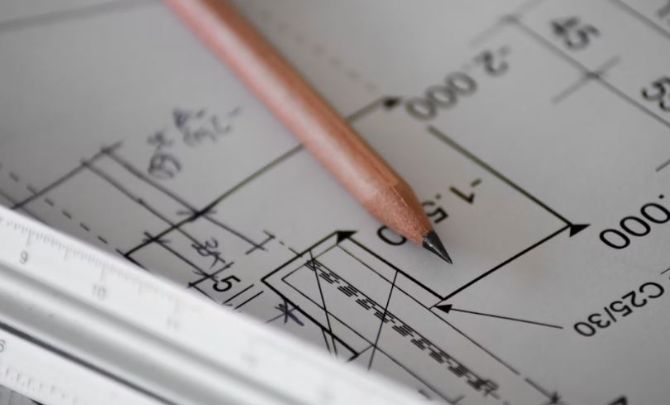
Launching a construction project, whether residential or commercial, demands clear planning, informed decision-making, and the ability to adapt. Without a strong foundation in these areas, delays, budget overruns, and structural flaws become much more likely. Professional builders and contractors understand that success starts long before the first shovel hits the ground. These industry experts follow a series of strategic steps to ensure projects finish on time, meet expectations, and comply with codes.
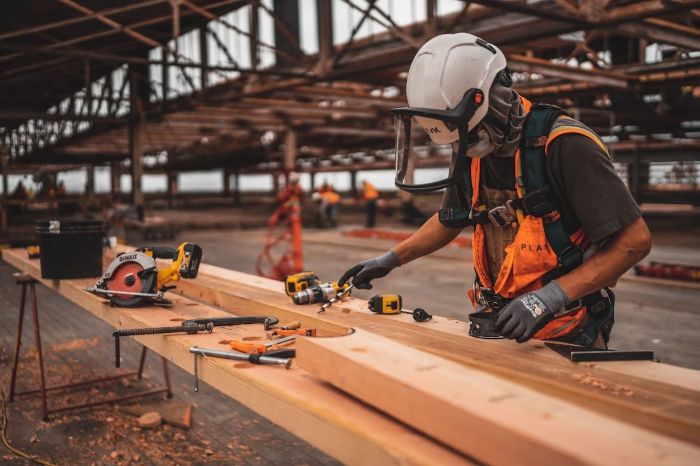
If you’re about to break ground on a new build, addition, or remodel, consider these six tips that professionals swear by. With the right guidance and preparation, your project can move from concept to completion with fewer headaches and better results.
Get Permits and Regulations Out of the Way First
Before beginning any construction work, ensure that you understand and comply with local zoning laws and building codes. Skipping this step may result in work stoppages, penalties, or even the need to demolish unauthorized work.
Experienced project managers make securing the correct permits their first priority. Depending on your region, you may need permits for excavation, plumbing, electrical work, and more. Even seemingly small projects may require formal approval if they alter the structure or involve utilities.
Consult with local authorities or work with a contractor familiar with the area’s rules. Starting with proper documentation in place means you won’t need to halt progress midway through the project.
Develop a Realistic Timeline
Time estimates are often one of the most misunderstood components of construction planning. Weather, supply chain disruptions, and subcontractor availability all play a role in how long the project will actually take. Creating a flexible timeline accounts for these possibilities and prevents disappointment or financial stress.
A detailed project schedule should include milestones and deadlines for each phase. Be sure to communicate regularly with contractors to review progress and make adjustments when needed.
Avoid overpromising completion dates to stakeholders or tenants. Instead, build in buffer periods to accommodate inspection delays or unexpected repairs. Timely completion begins with honest planning.
Plan for a Clear Budget and Monitor It Closely
Every construction project involves expenses beyond materials and labor. Permit fees, insurance costs, waste disposal, and site security can all add up quickly. Establishing a budget that includes a contingency fund helps absorb these surprises.
Choose materials and design features that meet your needs without exceeding financial boundaries. Be open to value engineering, which allows professionals to suggest alternatives that maintain quality while lowering costs.
Throughout the project, update your budget regularly. Tools like construction management software or spreadsheets help track costs and forecast upcoming expenses.
Select the Right Team for the Job
The outcome of your project depends heavily on the quality of the people behind it. This includes general contractors, subcontractors, architects, and consultants. Vetting your team carefully prevents costly rework and ensures that standards are met across the board.
Look for a contractor with a strong track record, verified credentials, and clear communication. Asking for references or examples of completed work gives insight into their capabilities. For example, many clients seeking craftsmanship and reliability in the Pacific Northwest turn to KV Construction and similar companies for consistent results. This level of trust is built through transparency, professionalism, and a reputation for delivering quality work.
Be Proactive About Site Safety
Construction zones are inherently risky, but safety can be managed with discipline and foresight. Business owners and homeowners alike must make safety a priority to avoid accidents and liabilities.
Ensure the team you hire is trained in OSHA standards and carries the proper insurance. Safety protocols such as PPE requirements, proper signage, and secure fencing help reduce the chance of incidents.
In high-traffic areas or urban zones, clear boundaries and traffic control measures may be required to protect passersby. A safe site protects both your investment and the people working to bring your project to life.
Prepare for Adjustments as the Project Progresses
Even with the best planning, construction projects evolve as work gets underway. Materials may be unavailable, design preferences might change, or weather could delay progress. How you handle those moments often determines the long-term satisfaction you’ll have with the final result.
Regular progress meetings, status reports, and site visits keep you involved without micromanaging. Staying informed allows you to catch issues early and approve course corrections quickly.
Professionals understand that no project is completely immune to shifts in scope or approach. Their experience allows them to make adjustments without compromising the bigger picture. Follow their lead by remaining flexible but focused.

Managing a construction project well requires more than an idea and a budget. From permits and planning to safety and teamwork, each stage comes with choices that influence the final outcome. Working with knowledgeable professionals and following their lead can reduce stress, save money, and deliver a better result. By applying these strategies, your project stands a much better chance of finishing on time, on budget, and exactly as envisioned.
