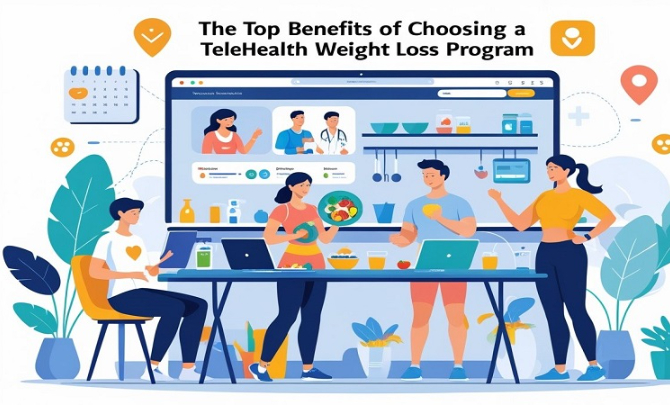
Traditional weight loss programs often present significant barriers that prevent people from achieving their health goals. Scheduling conflicts, travel time, geographic limitations, and higher costs can make consistent participation nearly impossible for many individuals seeking professional support.
Telehealth weight loss programs deliver equal or better results compared to in-person options while eliminating common obstacles that interfere with successful weight management. These virtual programs provide access to healthcare professionals, personalized treatment plans, and prescription medications without requiring office visits or rigid scheduling constraints.
The shift toward digital health solutions has transformed how people approach weight management, offering comprehensive care that adapts to individual lifestyles and needs. Participants can receive expert guidance, track progress, and maintain accountability from any location while benefiting from cost-effective solutions that prioritize long-term success over quick fixes.
Key Advantages of Telehealth Weight Loss Programs
Telehealth weight loss programs offer distinct benefits through digital accessibility, medical expertise, and cost-effective solutions. These virtual platforms eliminate traditional healthcare barriers while delivering comprehensive support for sustainable weight management.
Convenience and Accessibility
Virtual consultations allow patients to access weight loss support from any location with internet connectivity. This eliminates travel time, parking fees, and scheduling conflicts that often prevent people from attending in-person appointments.
Telehealth weight loss programs operate outside traditional office hours. Many platforms offer evening and weekend consultations to accommodate work schedules and family commitments.
Patients in rural areas gain access to specialized weight management professionals who may not be available locally. This geographical flexibility ensures consistent care regardless of location.
The digital format removes common barriers such as transportation issues, childcare needs, and mobility limitations. Patients can participate in their weight loss journey from home or office settings.
Key accessibility benefits:
- 24/7 platform access for tracking and resources
- No geographical limitations
- Flexible scheduling options
- Reduced time commitment per session
Personalized and Data-Driven Care
Healthcare professionals analyze individual dietary habits, activity levels, and medical history to create customized treatment plans. This personalized approach addresses specific health conditions and lifestyle factors.
Telemedicine platforms collect real-time data through connected devices and patient inputs. Weight tracking, food logging, and activity monitoring provide continuous insights for plan adjustments.
Digital tools enable more frequent check-ins compared to traditional monthly appointments. Patients receive ongoing support through messaging, progress reviews, and plan modifications based on current results.
Behavioral psychology integration helps address underlying eating patterns and habits. Many telehealth weight loss programs incorporate mental health components alongside medical treatment.
Personalization features:
- Individual meal planning
- Customized exercise recommendations
- Medical history integration
- Behavioral modification strategies
Enhanced Outcomes for Weight Management
Studies indicate that telehealth weight loss interventions produce comparable or superior results to in-person programs. The combination of technology and professional guidance improves patient engagement and adherence.
Continuous monitoring through digital platforms allows for immediate intervention when patients deviate from their plans. This real-time support prevents minor setbacks from becoming major obstacles.
Patients demonstrate higher retention rates in telehealth programs due to reduced barriers and increased convenience. Consistent participation directly correlates with improved weight loss outcomes.
The integration of educational resources, support groups, and professional guidance creates a comprehensive ecosystem for weight loss support. This multi-faceted approach addresses various aspects of sustainable weight management.
Cost-Effectiveness and Insurance Considerations
Telehealth weight loss programs typically cost less than traditional in-person weight management services. Reduced overhead expenses for providers translate to lower patient costs.
Many insurance providers now offer coverage for telemedicine consultations, including weight management services. This coverage expansion makes professional weight loss support more financially accessible.
Patients save additional costs through eliminated travel expenses, reduced time off work, and decreased childcare needs. These indirect savings often exceed the program fees.
Cost comparison factors:
- Lower consultation fees
- No travel expenses
- Reduced time investment
- Insurance coverage availability
The subscription-based model of many platforms provides predictable monthly costs. This pricing structure allows patients to budget effectively for their weight loss journey.
Comprehensive Approach to Sustainable Weight Loss
Telehealth weight loss programs deliver sustainable results through integrated medical care, behavioral support, personalized nutrition guidance, and technology-enabled progress monitoring. This multi-faceted approach addresses both the physiological and psychological aspects of weight management.
Integrated Medication Management
Telehealth platforms provide streamlined access to FDA-approved weight loss medications including Ozempic and Wegovy. Healthcare providers conduct virtual consultations to evaluate patient eligibility and medical history before prescribing these medications.
Medical professionals monitor side effects remotely through regular check-ins and digital communication channels. Patients receive detailed educational materials about proper dosing, timing, and potential adverse reactions.
For diabetic patients, providers coordinate medication adjustments to maintain optimal glycemic control while achieving weight loss goals. This integrated approach ensures medications work synergistically rather than creating conflicting health outcomes.
Key medication management features:
- Virtual prescription consultations
- Side effect monitoring
- Dosage adjustments based on progress
- Drug interaction screening
Behavioral and Lifestyle Support
Telehealth programs incorporate behavioral therapy techniques to address underlying eating patterns and psychological triggers. Licensed therapists conduct virtual sessions focused on cognitive-behavioral strategies for sustainable weight management.
Patients learn specific behavioral strategies including portion control techniques, emotional eating management, and stress reduction methods. These interventions target the mental aspects of weight loss that often determine long-term success.
Lifestyle changes receive structured support through goal-setting frameworks and accountability systems. Providers help patients establish realistic timelines and milestones for adopting healthier habits.
Regular virtual coaching sessions reinforce positive behaviors and address obstacles. This ongoing support system helps patients maintain motivation during challenging periods of their weight loss journey.
Nutrition Guidance and Meal Planning
Registered dietitians provide personalized meal plans tailored to individual dietary preferences, medical conditions, and weight loss goals. These plans consider factors such as food allergies, cultural preferences, and cooking skills.
Patients receive practical guidance on grocery shopping, meal preparation, and dining out strategies. Educational resources include portion size guides, nutrient timing recommendations, and healthy substitution suggestions.
Nutrition counseling components:
- Customized calorie targets
- Macronutrient distribution plans
- Recipe collections and cooking tips
- Restaurant dining guidelines
Virtual nutrition sessions allow real-time meal plan adjustments based on patient feedback and progress. Dietitians modify recommendations to address plateaus or changing health conditions.
Technology Integration for Progress Tracking
Digital tools enable comprehensive monitoring of weight loss progress through connected devices and mobile applications. Fitness trackers sync automatically with telehealth platforms to provide real-time activity data.
Smart scales transmit weight measurements directly to healthcare providers, eliminating manual logging errors. This data integration allows for immediate intervention when progress stalls or concerning trends emerge.
Mobile apps track food intake, exercise completion, and medication adherence in one centralized location. Patients can view their progress through visual dashboards and share data instantly with their care team.
Technology features include:
- Automated data collection
- Progress visualization tools
- Medication reminders
- Exercise recommendations based on fitness levels
Healthcare providers use this data to make evidence-based adjustments to treatment plans, ensuring interventions remain effective throughout the weight loss journey.
