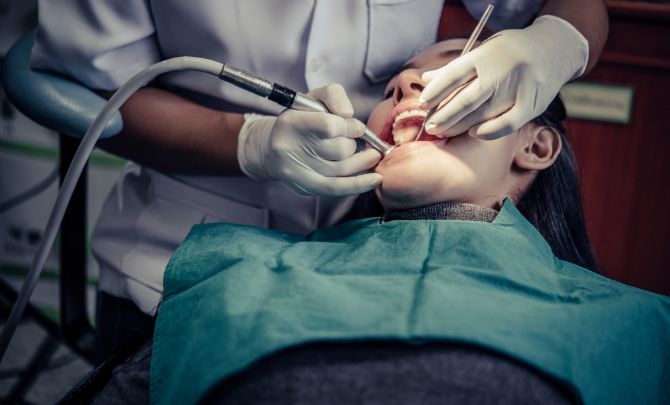
Dental emergencies can strike unexpectedly, often at inconvenient or stressful times, causing sharp pain, bleeding, and significant concern for overall oral health. Immediate action in these situations is crucial, as delays can result in permanent damage, infections, and prolonged discomfort. We will explore the importance of prompt attention in dental emergencies, illustrating how quick intervention can save teeth, prevent complications, and support a faster recovery.
Understanding when and how to respond to dental crises is essential for people of all ages, ensuring that urgent problems do not evolve into long-term issues. Consulting a Trusted Dentist in Hamilton for immediate care in dentistry is not merely about relieving pain; it is about preserving function, preventing infection, and maintaining confidence in one’s smile. Recognizing the urgency of dental situations empowers patients to act decisively, reducing stress and improving outcomes for both minor and severe emergencies.
Why Prompt Attention Matters in Dental Emergencies
1. Preventing Further Damage
Dental injuries, including broken, chipped, or knocked-out teeth, can quickly worsen if left untreated. Teeth are delicate structures that require immediate stabilization when damaged. A tooth that is knocked out or severely fractured can often be saved if treated promptly, whereas delays increase the risk of permanent loss. Immediate care enables dentists to reposition, reattach, or restore teeth before complications arise, thereby minimizing structural damage and preventing the need for more extensive procedures, such as implants or bridges, later on. Even minor injuries can develop into serious problems without timely attention.
For example, a small crack in a tooth may worsen over hours or days, leading to root exposure, infection, or sensitivity. By seeking prompt treatment, patients can protect the integrity of their teeth and reduce the risk of future dental complications. Acting quickly also reduces the psychological stress that often accompanies sudden dental injuries, providing reassurance that the issue is being addressed professionally and effectively.
2. Reducing Pain and Discomfort
Dental emergencies are frequently accompanied by severe pain, which can disrupt daily routines, sleep, and overall quality of life. Timely intervention is critical to manage pain effectively and prevent it from intensifying. Dentists can provide immediate relief through procedures such as fillings, temporary restorations, crowns, or extractions, depending on the nature of the emergency. Pain management is not only about comfort; it also supports overall well-being.
Unmanaged dental pain can lead to headaches, jaw tension, difficulty eating, and even emotional stress. Immediate care helps patients regain control over their oral health and daily activities, ensuring that discomfort does not interfere with work, school, or social interactions. By addressing the root cause of the pain promptly, treatment can prevent recurring issues and promote faster healing. Patients who act quickly often experience shorter recovery periods and less need for follow-up interventions, which enhances both convenience and overall satisfaction with the care received.
3. Preventing Infection
Oral injuries or untreated dental problems can become breeding grounds for bacteria, quickly leading to infections that may affect other parts of the body. Issues such as cracked teeth, abscesses, or gum injuries, if neglected, can develop into serious infections. Immediate dental care enables professionals to thoroughly clean the affected area, apply the appropriate medications, and monitor the healing process to prevent the spread of harmful bacteria. Early treatment reduces the likelihood of systemic complications and minimizes the need for antibiotics or surgical intervention in the future.
Prompt care also prevents the escalation of infections that can compromise surrounding teeth, jawbone, or even overall health. By addressing dental emergencies promptly, patients not only protect their oral health but also reduce the risk of broader health issues associated with untreated infections. This proactive approach ensures that minor injuries do not escalate into severe ones, thereby avoiding unnecessary pain, prolonged recovery periods, and higher treatment costs in the future.
4. Preserving Aesthetic Appearance
Dental emergencies often involve visible damage that can affect a person’s appearance and self-confidence. Chipped, broken, or displaced teeth can alter a smile and create feelings of embarrassment or anxiety. Seeking immediate care allows dentists to restore the natural look of teeth efficiently using techniques such as bonding, crowns, or repositioning. Timely intervention helps maintain a balanced and healthy-looking smile, preventing long-term cosmetic issues that could require complex reconstruction later.
Restoring aesthetic appearance also supports emotional well-being, as visible dental trauma can be distressing and socially challenging. Immediate care combines both health preservation and cosmetic considerations, emphasizing the holistic benefits of quick treatment. By acting promptly, patients can maintain their natural smile, protect their confidence, and avoid prolonged periods of social discomfort, illustrating how dental care is both a medical and psychological necessity in emergency situations.
Immediate care for dental emergencies is crucial for preserving oral health, preventing infection, alleviating pain, and maintaining the appearance and function of the teeth. Prompt intervention enhances long-term outcomes, minimizes the need for invasive procedures, and supports both physical and psychological well-being. By responding quickly, patients protect their teeth, gums, and overall health, ensuring that unexpected dental issues do not escalate into chronic problems. Timely care emphasizes the importance of preparedness, awareness, and proactive action during dental crises, underscoring how prompt attention can safeguard both oral health and confidence. Taking immediate steps in a dental emergency demonstrates the value of swift response, ensuring recovery is effective, efficient, and comprehensive.
