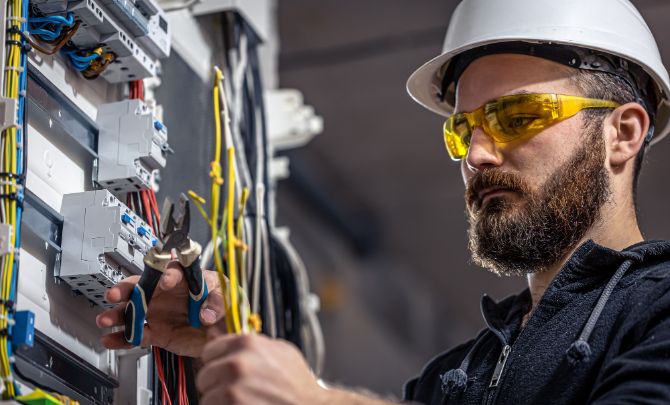
Electrical work is often viewed purely in technical terms, with a focus on wires, circuits, and safety codes. Yet beyond the technical side lies a deeply human element that shapes how clients perceive the work and the people behind it. For many homeowners and businesses, inviting electricians into their space is an act of trust, as they rely on them to handle critical systems that impact daily life. Building trust is not only about technical ability, but also about effective communication, mutual respect, and reliability. When electricians prioritize relationships alongside their skills, they create lasting connections that go far beyond the completion of a project.
Communication is the foundation of trust.
Clear communication is one of the most essential elements in establishing trust with clients. From the first consultation, electricians must explain the scope of work, potential costs, and expected timelines in language that is easy to understand. Technical jargon can confuse and overwhelm clients, so breaking down complex tasks into clear explanations builds confidence and transparency. Clients want to feel informed and reassured that their concerns are heard and addressed, not dismissed or ignored. A reliable electrician provides regular updates throughout the process, ensuring that everyone is informed about progress and any unexpected changes. This kind of openness makes clients more comfortable and strengthens the relationship. Many homeowners who turn to a trusted Myrtle Beach electrical company recognize that this level of clear, consistent communication helps reduce stress and builds confidence in the service they receive. Trust begins when clients feel respected and informed throughout the entire process.
Respect and professionalism in every interaction
Respectful treatment is another critical factor that shapes the human side of electrical work. Clients notice how electricians handle themselves in their homes or businesses, from punctuality to cleanliness and courtesy. Arriving on time, protecting surfaces while working, and leaving spaces tidy afterward all send a strong message about professionalism. Respect also extends to listening carefully to client concerns, acknowledging questions, and offering thoughtful answers. For many clients, electrical projects represent a significant investment, and showing care in every interaction reassures them that their time and resources are valued. Even small gestures, such as explaining what is being done before switching off power or checking in before moving items, help establish a respectful working environment. Professionalism rooted in respect creates trust not only in the quality of the work but also in the character of the individual providing the service. Clients often remember these details long after the job is complete.
Reliability and consistency in service delivery
Reliability is crucial for maintaining trust, as clients expect electricians to fulfill their promises and commitments. When timelines are set, meeting them shows clients that their schedules are taken seriously. If delays occur, timely communication and honest explanations prevent frustration and build patience. Consistency in service delivery also matters, as clients appreciate knowing they can expect the same level of care and quality each time they hire an electrician. This reliability extends beyond completing individual projects; it also includes being available for follow-up, responding promptly to calls, and addressing concerns after the work is completed. For many clients, the peace of mind that comes with a reliable professional is invaluable, as it allows them to focus on their daily lives without worrying about recurring issues. Over time, this dependability fosters long-term relationships where clients return for future projects and recommend services to others with confidence.
Balancing technical work with empathy
While technical skill is essential in electrical work, empathy plays an equally important role in building lasting client relationships. Homeowners may feel anxious when faced with electrical issues, especially if safety is at risk or power is interrupted. Approaching these situations with understanding and patience can make the experience far less stressful for clients. Empathy means recognizing that clients may not have technical knowledge and reassuring them with calm, supportive communication. It also involves adapting to the unique needs of households or businesses, such as accommodating family schedules or minimizing disruptions during operating hours. When electricians show empathy, they demonstrate that they care about more than just completing a task—they care about the well-being and comfort of the people they serve. This balance of skill and compassion ensures clients feel supported, respected, and understood, strengthening their trust in the relationship.
Long-term relationships through integrity
Trust built through communication, respect, reliability, and empathy ultimately creates long-term client relationships grounded in integrity. Clients who feel valued are far more likely to return for future projects and recommend services to friends, neighbors, or colleagues. Integrity means being honest about costs, avoiding unnecessary upselling, and prioritizing solutions that genuinely meet the client’s needs. This honesty creates a foundation of mutual respect that ensures the relationship endures beyond a single project. Many clients return not just because of the technical work completed but because of the positive experience they had with the electrician. Building this kind of trust requires consistency and commitment, but it pays off by creating a loyal client base that grows over time. For electricians, integrity is not an optional quality—it is essential to earning lasting respect and establishing a reputation that endures in the community.
The human side of electrical work is what turns technical projects into meaningful client relationships. While technical knowledge ensures safety and quality, communication, respect, reliability, empathy, and integrity are what truly build trust. Clients remember how they were treated, how their concerns were addressed, and whether their needs were prioritized throughout the process. Electricians who focus on these human elements create long-lasting relationships that go beyond one-time projects, fostering loyalty and word-of-mouth referrals. Trust is not built overnight, but through consistent actions that show care for both the work and the people it affects. By prioritizing the human side of their profession, electricians create an environment where clients feel secure, respected, and valued. This combination of technical skill and genuine care makes electrical work not just about wires and circuits but about building trust that lasts well into the future.
