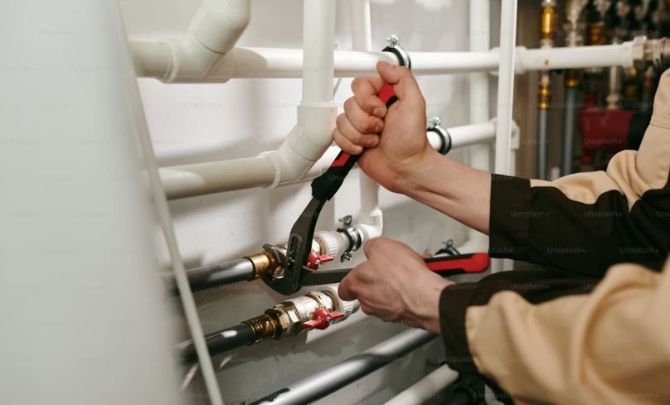
Coming home to a flooded basement after a brutal cold snap. Burst pipes can cost you thousands in repairs. Prevention beats fixing that mess every time.
Cold weather hits plumbing hard. Water inside pipes freezes and expands. This pressure cracks metal and plastic lines. If you live in a chilly area, you’re at risk. Homeowners in places like the Midwest or Northeast need to act fast.
This guide walks you through everything. You’ll get a step-by-step plan to winterize your plumbing system. We cover exterior shutoffs, interior insulation, water heater care, and tips for bad weather or trips. Follow these, and you’ll dodge frozen pipe disasters.
Pre-Winter Inspection and Exterior System Shutdown
Start outside before the chill sets in. Unheated areas face the biggest threats. Check these spots first to keep water from freezing in vulnerable lines.
Draining and Shutting Off Exterior Water Sources
Find your main shut-off valve. It’s often near the water meter or where the line enters your home. Turn it off to stop flow to outdoor taps.
Next, open all outside faucets. Let water drain out. For sillcocks or hose bibs, remove hoses first. Then, shut the indoor valve for each one. Open the outdoor spigot to drain leftovers.
This simple step saves headaches. Water left in these lines expands when it freezes. You avoid cracks that lead to leaks come spring. Do this by mid-fall in cold zones.
- Locate valves: Check your home’s blueprint or crawl under the house.
- Drain fully: Tilt faucets down if possible for complete emptying.
- Test: Try turning on an outdoor tap—no water should flow.
Winterizing Sprinkler and Irrigation Systems
Sprinklers need special care. Water trapped underground bursts lines fast. Use an air compressor to blow it out.
Hire a pro if you’re new to this. They connect the compressor to your system’s backflow preventer. Run air at 40-50 PSI through each zone. Start from the farthest head and work back.
Don’t skip pools or separate zones. Leftover water in filters or pumps freezes solid. One burst pipe can flood your yard. In places like Colorado, folks see this every winter. Act before the ground freezes.
Here’s a quick checklist:
- Shut off the water supply to the system.
- Blow out lines zone by zone.
- Drain the main line and store controllers indoors.
Protecting Exposed Pipes and Foundations
Exposed pipes hug exterior walls or run in garages. Insulate them now. Use foam wraps or fiberglass sleeves.
For foundations, seal cracks with caulk. Cold air sneaks in and chills pipes nearby. Add pipe insulation where lines meet the foundation wall. In unheated crawl spaces, focus on supply lines first.
A water heater blanket helps if it’s outside the warm house. Pick one rated for your tank size. This keeps things toasty. Remember, thin insulation won’t cut it in deep freezes.
Interior Pipe Preparation and Insulation Strategy
Even inside, some pipes stay cold. Heat doesn’t reach every corner. Insulate smart to protect your whole setup. You can also contact a professional plumber san clemente for help.
Insulating Vulnerable Indoor Pipes
Spot the weak links. Pipes in exterior walls chill quick. Basements and cabinets under sinks hide them too.
Grab foam pipe sleeves. They fit copper or PEX lines snug. For 1/2-inch pipes, use 6-foot sleeves—easy to cut. Heat tape works for extra cold spots; plug it in and wrap tight.
Apply it right. Slide sleeves over clean pipes. Seal ends with tape. This blocks frost buildup. One sleeve costs pennies but saves big on repairs.
Think about your laundry room. Cold lines there freeze during power outages. Insulate now, and you sleep better.
Addressing Garages, Attics, and Crawlspaces
Garages often go unheated. Pipes to washers or sinks sit exposed. Wrap them in foam or use electric heat cables.
Attics trap cold air. Insulate lines up there before snow flies. Crawlspaces need vents closed too. Add insulation boards if space allows.
Don’t forget utility sinks. In a chilly garage, they burst easy. Check for drafts and seal them. A quick fix here prevents wet carpets.
Steps to tackle these areas:
- Crawl in with a flashlight; map the pipes.
- Wrap and tape every exposed section.
- Seal attic access to keep heat in.
Checking for Leaks and Drips Before the Freeze
Slow leaks worsen in winter. A drip freezes and grows into a pipe bomb. Inspect everywhere now.
Look under sinks and around toilets. Wipe areas dry, then check after an hour. Fix drips with new washers or seals.
Basement floors show water signs too. Mop up and watch for returns. Even tiny leaks expand with ice. Pros say one overlooked drip costs $500 in fixes.
This check takes 30 minutes. Do it monthly through winter. Peace comes from knowing your system holds.
Water Heater Maintenance for Cold Weather Efficiency
Your water heater fights cold too. Prep it to keep hot water flowing. Neglect leads to frozen inlets and no showers.
Flushing and Draining Sediment (If Applicable)
Tank heaters build up gunk. Flush it yearly for better heat. Shut off power or gas first.
Attach a hose to the drain valve. Run water into a bucket or outside. Let it flow till clear. This removes sediment that cuts efficiency.
Do this before cold hits. It boosts performance by 10-20%. Dirty tanks work harder in winter. Clean yours, and bills drop.
If you’re handy, follow these steps:
- Turn off the unit.
- Drain and flush.
- Refill and restart.
Protecting the Water Heater in Cold Environments
Basement or garage heaters chill fast. Insulate the tank with a blanket. Pick one with R-value for heat retention.
Wrap inlet pipes too. Cold water lines freeze first. Use foam or tape around elbows and straights.
Drafts from doors hurt. Hang weather stripping. This setup keeps your heater safe. In drafty spots, it prevents total shutdowns.
One tip: Check the blanket fits tight. Loose ones let cold in.
Setting the Correct Thermostat Temperature
Don’t shut it off unless you’re gone long. Set it to 120°F for safety and warmth. But drop to 55°F min during mild cold to save energy.
Lower settings risk freezes in pipes. Balance comfort and bills. If vacating short-term, keep it at 110°F.
Test the dial. Feel outgoing water—should be warm, not scalding. Right temp avoids bacteria and bursts.
Preparing for Extreme Cold Snaps and Vacations
Sudden freezes or trips test your prep. Plan ahead for the worst. These steps keep damage away.
The Trickle Strategy: Preventing Ice Formation
Let faucets drip in deep cold. Moving water freezes slower than still stuff. It’s like a river that doesn’t ice over.
Pick sinks farthest from the main line. Usually kitchen or bathroom on outer walls. Set a slow drip—pencil-lead size.
This trick costs little in water. It thaws worries during -10°F nights. Start when temps drop below 20°F.
Why it works: Flow keeps pressure even. No big ice plugs form.
If You Leave Town: The Full Drain Procedure
Going away for weeks? Shut off the main valve. Then drain all lines.
Open every faucet. Flush toilets once. Sponge out traps under sinks. Empty water from the heater if needed.
This full drain is foolproof. No water means no freeze risk. Label the valve for easy return.
Numbered guide:
- Close main shut-off.
- Open all taps and drains.
- Bail out low spots like the water heater.
Maintaining Home Heat During Absence
Even drained, keep the house at 55°F. Use a timer thermostat. This guards against surprise cold.
Pipes might hold traces. Heat prevents other woes like warped floors. Ask a neighbor to check temps.
Smart thermostats help from afar. Set alerts for drops. It’s cheap insurance for your home.
Conclusion: Your Winter Plumbing Peace of Mind Checklist
Winterizing your plumbing system boils down to a few key moves. Shut off exterior water, insulate all pipes, flush the heater, and drip faucets in freezes. For trips, drain it all and keep heat on.
These steps slash burst pipe risks. Insurance claims from freezes hit $5,000 on average. You avoid that hit with prep.
Grab your tools this weekend. Check off the list before frost bites. Your home stays dry and cozy all season.
