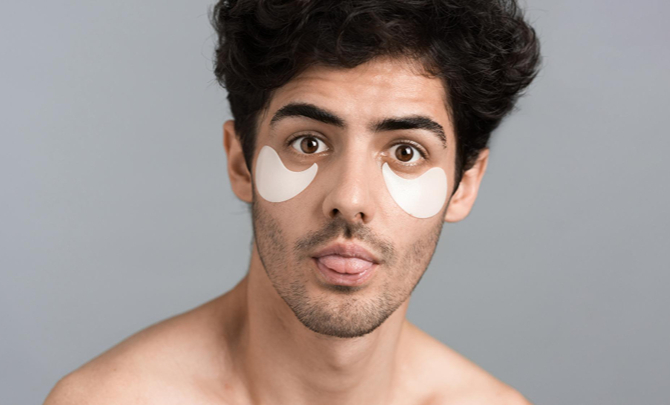
Men can reduce or eliminate under-eye bags depending on their cause. Several treatment options can help men reduce the appearance of under-eye bags. Poor sleep and temporary swelling often improve with simple lifestyle changes.
More noticeable bags caused by aging or genetics may require cosmetic procedures. Understanding the cause can help you choose a suitable treatment and set realistic expectations for the results.
Key Takeaways
- Temporary under-eye bags often improve with better sleep, cold compresses, and less sodium.
- Aging and genetics can cause fat to bulge beneath the eyes, creating bags that skincare cannot permanently remove.
- Fillers and laser treatments can improve certain under-eye concerns, but they do not remove prominent fat deposits.
- Lower eyelid blepharoplasty offers lasting correction for structural bags while preserving natural masculine features.
How to Get Rid of Eye Bags in Men
The best way to reduce under-eye bags depends on their cause. Temporary swelling often responds to better sleep, skincare, and daily habits. Fat deposits or loose skin may require professional treatment.
If you’re wondering, “How do I remove under-eye bags?” the answer depends on whether they result from temporary swelling, loose skin, or fat deposits. Simple lifestyle changes may reduce puffiness, while structural concerns often require professional treatment.
Common treatment options include:
- Lifestyle changes to reduce under-eye swelling.
- Skincare products that improve moisture and skin texture.
- Nonsurgical procedures that address wrinkles or hollow areas.
- Surgery to remove or reposition fat beneath the eyes.
Each approach works differently, so identifying the cause is the first step. A specialist can help you choose a treatment that fits your needs.
What Causes Under-Eye Bags in Men?
Several factors cause under-eye bags, including aging, genetics, allergies, and lifestyle habits. Over time, the tissues supporting your lower eyelids become weaker. Fat can move forward, while thinner skin makes swelling and shadows more visible.
Aging and Genetics
Genetics affect your facial structure, skin thickness, and fat distribution around the eyes. Some men develop noticeable bags in their twenties or thirties, even with healthy habits. As the skin loses firmness, aging can make these inherited features more visible.
Fluid Retention and Lifestyle Habits
Fluid retention can cause temporary swelling beneath the eyes, especially after waking up. Poor sleep, alcohol, and high-sodium foods may worsen this swelling. Lowering your salt intake and improving your sleep habits can help reduce morning puffiness.
Allergies and Health Conditions
Allergies can cause itching, irritation, and swelling around your eyes. In some cases, persistent swelling may be linked to a medical condition affecting the thyroid or kidneys. Seek medical advice if swelling develops suddenly or comes with pain, redness, or vision changes.
Home Remedies for Under-Eye Bags
If you want to reduce under-eye bags without surgery, start with simple daily changes. Several home remedies can improve mild swelling and help your eyes look less tired. These methods work best for temporary puffiness, not permanent fat deposits.
Cold Compresses and Better Sleep
Applying cold compresses for several minutes can help reduce swelling around your eyes. Use a clean, cool washcloth instead of placing ice directly on your skin. Getting seven to nine hours of sleep and keeping your head slightly elevated may also help.
Daily Habits That Reduce Puffiness
Small changes to your daily routine can improve the appearance of your under-eye area. These habits are especially useful when swelling follows poor sleep or dietary changes.
- Reduce sodium, especially at dinner.
- Follow a regular sleep schedule.
- Limit alcohol and avoid smoking.
- Manage allergies with your doctor’s guidance.
- Apply sunscreen to protect delicate skin.
These habits support skin health and may reduce temporary swelling. They cannot remove fat deposits or tighten significantly loose skin.
Best Skincare Products for Men’s Under-Eye Bags
Skincare products can improve hydration, skin texture, and mild swelling around the eyes. Caffeine may temporarily reduce visible puffiness, while hyaluronic acid helps the skin retain moisture. Retinoids can improve fine lines over time but require careful use near the eyelids.
Men with bags and dark circles should understand that these concerns may have different causes. A product that reduces puffiness may not improve pigmentation or deep shadows. Gentle cleansing, moisturizing, and daily sunscreen provide a good starting point.
Nonsurgical Under Eye Bags Treatment Options
Nonsurgical treatments can improve mild wrinkles, hollow areas, and certain skin concerns. They are less effective when prominent fat deposits cause permanent under-eye bags. A specialist can assess your facial structure and recommend suitable treatment options.
Dermal Fillers
Dermal fillers can smooth the area between the lower eyelid and cheek when hollows create shadows. The treatment adds volume to selected areas, helping the skin appear more even. Possible risks include swelling, lumps, discoloration, and, rarely, serious blood vessel complications.
Laser Treatments and Chemical Peels
Laser treatments can improve fine wrinkles and skin texture by supporting collagen production. Chemical peels may help with certain types of discoloration but cannot remove under-eye fat. Both procedures require careful planning because eyelid skin is thin and sensitive.
Eye Bag Removal Eyelid Surgery for Men
Lower eyelid blepharoplasty is a common surgical option for persistent under-eye bags caused by protruding fat deposits. The procedure removes or repositions fat and may also address excess skin. The goal is a smoother under-eye area while keeping your natural facial features.
How Does Lower Eyelid Blepharoplasty Work?
During eyelid blepharoplasty, the surgeon makes an incision inside the lower eyelid or just below the eyelashes. Through this opening, the surgeon can remove or reposition fat and adjust loose tissue. The procedure usually takes place in an outpatient facility, with anesthesia based on your treatment plan.
Benefits and Surgical Considerations
Eye bag surgery can offer lasting improvement when aging or genetics cause noticeable fat deposits. The results depend on your anatomy, skin condition, and healing process. Risks include infection, bleeding, dry eyes, scarring, changes in eyelid position, and rare vision complications.
How Much Does Under-Eye Bag Treatment Cost?
Costs depend on the procedure, location, specialist, and treatment needs. Skincare products are usually less expensive than fillers, laser treatments, or surgery. Surgical fees may include anesthesia, facility costs, and follow-up care.
Before choosing a procedure, request a written estimate that explains all expected charges. Ask whether follow-up visits, adjustments, or future maintenance are included. Most cosmetic procedures are not covered by health insurance.
Recovery and Long-Term Results
Recovery time varies by procedure and how your body heals. Fillers may cause mild swelling or bruising, while laser treatments often require several days of recovery. After surgery, most visible bruising and swelling improve within two weeks, although complete healing takes longer.
Most men can gradually return to their usual activities as they recover, following their surgeon’s instructions. Surgical results can last for years, but aging continues to affect the skin. Healthy habits and sun protection can help maintain your results.
When Should Men Consult a Specialist?
Consider seeing a specialist when under-eye bags remain visible despite lifestyle changes. A board-certified plastic surgeon experienced in eyelid procedures can assess your facial structure and concerns. The evaluation should also include your eye health, medical history, and treatment goals.
Specialists such as Dr. Joel Kopelman, a facial plastic and oculoplastic surgeon, can evaluate whether under-eye bags are caused by excess fat, loose skin, hollow areas, or temporary swelling. Understanding these differences helps patients explore suitable treatment options based on their individual needs.
Choosing the Right Treatment for Natural Results
The right treatment depends on whether your under-eye bags are temporary or structural. Better sleep, allergy care, and skincare may improve mild puffiness, while persistent fat deposits often need surgical correction. Your natural eye shape and facial proportions should guide treatment decisions.
A qualified specialist can explain the benefits, risks, and recovery time of each approach. Comparing available treatments helps you set realistic expectations and choose a suitable option. The goal is to improve your under-eye appearance without changing the features that make your face look natural.
