
You see a flight for $220, you are satisfied, and then end up paying $310 before you even select a seat. Sound familiar? In fact, people typically ask what the true cost of flying is when they are referring to the spread between the number they see and the number they need to pay. The listed fare is almost never the whole story.
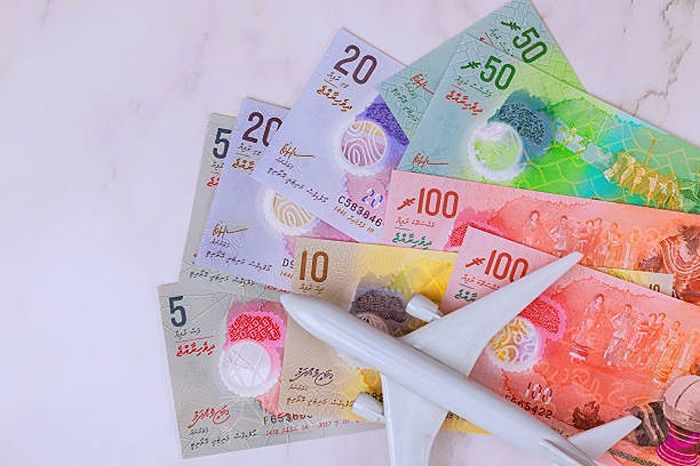
A few specific things decide what you end up handing over. Some of them you can plan around. A couple you just have to accept and budget for. Either way, once you know what’s actually moving the price, you stop guessing and start booking with your eyes open.
When You Book Actually Matters, But Not the Way You Think
Airlines don’t set a price and never change it. They monitor the rate at which seats are selling and raise the fare nearer to the actual date of departure, often more than once a day.
This is where a lot of people get it backwards. Booking way ahead of time doesn’t automatically get you the best deal, because the cheapest fare buckets might not even be released yet. Book late however, and those same seats are sold out for good. The domestic prices are usually at their lowest for a few weeks prior to the trip. International routes usually want more lead time, closer to two or three months out.
You’ve probably read somewhere that Tuesday is the cheapest day to fly. That advice used to hold up better than it does now. Airline pricing has gotten a lot more automated in the last several years, and chasing a “magic day” matters less than just watching a route for a week or two and noticing when the price dips.
The Airport (and Route) You Pick Changes Everything
If two people fly to the same city and pay very different prices, that’s due to the fact that they chose different airports at either end.
Staying at a smaller regional airport, closer to your destination, can cost less than flying into the larger airport where most people land. This is a no-brainer for anyone with flights experience other than Boston vs. Providence or San Francisco vs. Oakland. Connecting flights tend to run cheaper than nonstop ones too — you’re basically trading an extra hour or two for real savings.
And here’s one people miss: booking a round trip on a single airline isn’t always the cheapest way to do it. Mixing airlines for the outbound and return leg can bring the total down, especially on international routes where no one carrier covers both directions well. This is where a comparison tool actually earns its place instead of being another open tab. The Kupi.com homepage, for example, lets you piece together a route using tickets from different airlines, which sometimes beats a matching round trip from a single carrier by a fair margin.
Baggage and Seat Fees Add Up Faster Than You’d Guess
The base fare barely tells you anything anymore. Basic economy tickets are designed to look cheap on the search results page, and they hold that price by cutting almost everything else out.
Here’s what usually gets tacked back on before checkout:
- Checked bag fees, typically $30–$70 per bag, each way
- Carry-on fees on several budget carriers, not just checked luggage
- Seat selection charges, even for a random assigned seat
- Priority boarding, if you’d like your bag to actually fit overhead
Two checked bags, a selected seat and a $150 fee can easily add up to $250. When you compare two flights side by side, don’t just rely on the number on the results page, but add up what you actually need to realistically be able to afford. The U.S. Department of Transportation’s air travel guide breaks down what airlines are actually required to disclose about these fees, worth a look if a charge ever feels like it came out of nowhere.
Fuel Prices and Surcharges You Never See Itemized
Fuel is one of the highest costs an airline carries, and the Bureau of Transportation Statistics tracks how much that swings year to year with oil prices. When fuel gets more expensive, airlines don’t always touch the base fare directly.
More often, they’ll fold in a fuel surcharge instead, especially on long-haul international routes — you’ll see this more with certain overseas carriers than with most U.S. domestic ones. It rarely shows up as a separate line on your receipt. It just gets absorbed into the total, which is part of why two flights on nearly identical routes can land at very different prices.
Fare Class Is the Part Most People Skip Past
Not every economy seat is equal, despite being in the same row. Economy is divided into a number of fare classes and each has its own rules of engagement for changes, refunds and seat selection.
| Fare Type | Changes | Refunds | Seat Selection |
| Basic Economy | Usually not allowed | No | Extra charge |
| Standard Economy | Fee applies | Rare, credit only | Often included |
| Flexible / Full Fare | Free or low fee | Yes | Included |
Paying more upfront for a flexible fare can save you from a change fee that sometimes costs almost as much as a whole new ticket. If your dates are locked in, skip it — go with the cheaper tier. If there’s any real chance your plans shift, do the math before writing off the flexible fare as overpriced.
Currency Exchange Sneaks In on International Trips
International travel adds a layer most people forget about until the credit card bill shows up. The exchange rate at the time you book, and sometimes again when your card is actually charged, becomes part of what the trip costs.
Here’s a trap worth knowing: some airport kiosks and hotel counters will offer to charge you in your home currency “for convenience.” It sounds helpful. It’s usually a worse rate. Paying in the local currency almost always comes out ahead. And a fare priced at 300 euros isn’t a fixed number in dollars — it moves with the market, so a weaker dollar can quietly add real cost to a trip you booked months earlier at what looked like a great price.
The Costs Sitting Outside the Ticket Entirely
The fare stops mattering the second you’re through the gate. Getting to and from the airport, travel insurance, visa fees for certain countries, airport parking — none of it shows up in the ticket price, but all of it comes out of your pocket eventually.
We’ve all paid our money at the door with care and then never remembered the $40 parking charge or the 2 a.m. ride home with the taxi driver. These expenses often come up when you are already on board, and you don’t need another reminder you’ve got expenses.
The smarter move is pricing out the full trip before paying for anything. You can view optional extras, such as bags and seats, for the best time to fly New York City – San Juan beside the base fare, for example, so these extras won’t catch you out at checkout.
So, What’s the Real Number?
The price you see in the first place is the starting price only, it is not the answer. When you add in timings, route, baggage, fuel surcharges, fare class, currency fluctuations and all of the things that aren’t in the ticket, the actual cost of an airfare can be quite different from what it originally appeared.
Before you book your next trip, follow these seven factors rather than price comparisons. It won’t make flying free. It’ll just stop the final total from catching you off guard.
