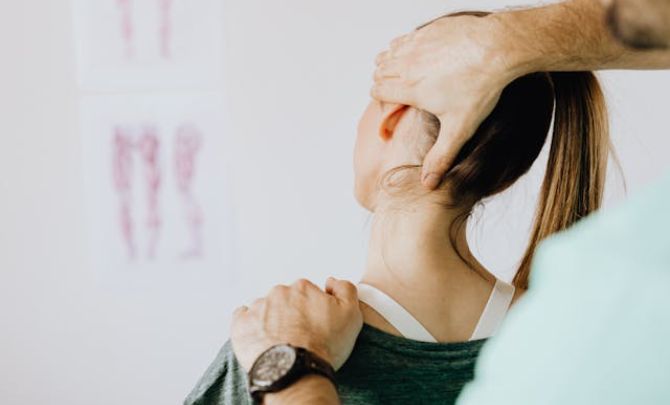
Recovering from an injury isn’t just about healing physically, it’s about adjusting to a new reality. Whether the injury is short-term or long-lasting, it often brings disruption to everyday life. Tasks that were once routine can suddenly feel overwhelming, and the emotional and financial toll can be just as significant as the physical pain. For many, the challenge lies in rehabilitation and in maintaining some semblance of normalcy while life keeps moving forward.
Even minor injuries can cascade into broader challenges when they interfere with work, relationships, mobility, and emotional well-being. Understanding the types of difficulties people face during this time can help build awareness, compassion, and better support systems for those navigating the recovery journey.
Legal and Financial Pressures Compound the Strain
When a person suffers an injury due to another party’s negligence, legal complexities can become a major source of stress. Medical bills may accumulate, income may be interrupted, and insurance claims often become drawn-out processes requiring documentation, follow-up, and negotiation. A reputable Charleston injury attorney says that many of their clients experience financial anxiety even before the healing process begins. Unexpected expenses like physical therapy, assistive devices, home modifications, and transportation services can overwhelm even the most prepared individuals. Legal guidance becomes important, not just for filing claims, but for navigating settlement offers and ensuring long-term financial support.
Without proper representation or knowledge, injured individuals may settle for less than they deserve or be unprepared for the extended recovery process. Legal complications can delay access to compensation that’s needed for daily necessities, making recovery even harder.
Physical Limitations Alter Routines and Independence
Daily life is filled with physical tasks we often take for granted, walking, showering, cooking, or simply driving to the store. After an injury, these basic activities can become major obstacles. Recovery may require mobility aids, assistance from others, or complete dependence on caregivers for weeks or months.
Even with support, the loss of independence is emotionally taxing. People may feel frustrated or embarrassed about needing help if they were active and self-sufficient prior to the injury. Returning to physical routines brings the risk of reinjury, so cautious pacing becomes necessary, even when motivation runs high.
Physical pain, fatigue, and limited stamina can further complicate routines. Many injured individuals must relearn how to navigate stairs, get in and out of bed, or perform tasks one-handed, if at all. Adapting to these physical limitations requires patience and resilience.
Social Isolation and Changes in Relationships
Injuries don’t just affect the body, they impact relationships, too. Friends, coworkers, and even family members may not fully understand the scope of the injured person’s needs or limitations. Social invitations may dwindle, communication can become strained, and the injured person may feel like a burden rather than a participant in their own life.
Loved ones may offer support, but they may become overwhelmed or unsure how to help. For individuals recovering alone, loneliness can become a serious challenge when compounded by limited mobility or a restricted ability to participate in shared activities.
Emotional Struggles and Mental Health Effects
Coping with injury often means facing an emotional rollercoaster. Feelings of anger, grief, frustration, or hopelessness are common, particularly if the injury was preventable or life-altering. It’s not uncommon for people to experience depression or anxiety as they process the sudden change in their health, independence, and lifestyle.
Sleep disruptions, appetite changes, and emotional fatigue further impair the body’s ability to heal. Psychological support, whether through therapy, peer support groups, or mindfulness practices, can be as crucial as physical therapy in regaining a sense of normalcy.
Maintaining a positive mindset while facing physical and social limitations takes effort and community. People managing injury often benefit from small wins, clear goals, and consistent emotional check-ins, even from non-medical peers and family members.
Workplace Disruptions and Career Setbacks
For working individuals, injuries pose an additional layer of stress. Taking extended time off, filing disability paperwork, or requesting workplace accommodations can strain professional relationships. In some industries, like construction, retail, or food service, physical ability is central to job performance, which may require injured employees to step away completely.
Even for desk jobs, chronic pain or reduced stamina can limit concentration and productivity. Return-to-work plans must often be negotiated carefully, balancing the employee’s medical needs with the employer’s operational requirements.
Navigating Recovery Systems and Long-Term Planning
The road to recovery is rarely straightforward. Dealing with medical appointments, physical therapy, insurance adjusters, and sometimes legal professionals can be overwhelming. Each step requires time, energy, and organization, resources that can feel scarce when someone is already coping with physical pain and emotional fatigue.
The uncertainty of how long recovery will take adds another burden. Will mobility return? Will chronic pain persist? Will daily life ever feel normal again? These questions weigh heavily on injured individuals as they try to plan ahead, manage expectations, and reestablish their future.
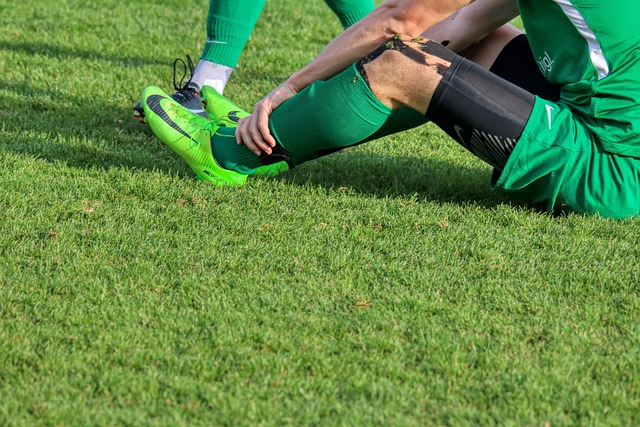
Living with injury affects every corner of daily life, from finances to friendships, routines to resilience. With the right support systems in place, whether legal, emotional, or physical, individuals can navigate these challenges with greater confidence. Empowerment begins with awareness, and recognizing these common struggles is the first step in building a recovery path that’s as compassionate as it is comprehensive.
