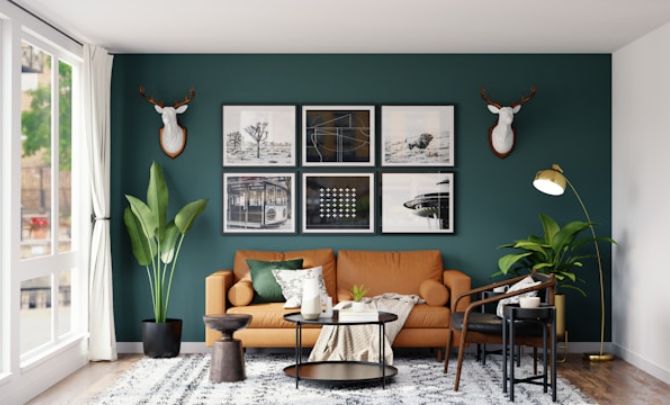
Artwork is one of the most powerful tools in interior design, capable of transforming an empty wall into a statement, sparking conversation, or tying together the colors and style of a room. But choosing the right piece is about finding art that resonates with you while complementing the space’s purpose, mood, and design. Whether you’re drawn to bold, abstract pieces or timeless, classical works, understanding how to match art to a room’s vibe can make the difference between a cohesive, inviting space and one that feels disjointed. This guide will help you navigate the process of selecting the perfect picture for any room in your home.
Match the Mood to the Room’s Purpose
The first step in selecting artwork is understanding the emotional tone you want the room to convey. A bedroom, for example, often calls for calming, serene images, such as soft landscapes, minimalist abstract works, or muted color palettes, that encourage relaxation. Living rooms and dining areas can handle more energetic, dynamic pieces that spark conversation and create visual interest. Think vibrant abstracts, bold photography, or dramatic portraits. When you align the art’s mood with the room’s function, you create a natural harmony that makes the space feel intentional and inviting.
The Difference Between Abstract and Classic Styles
Abstract and classic art each bring their unique energy to a space, and knowing the difference can help you choose pieces that fit your vision. Abstract works often feature bold shapes, vibrant colors, and expressive brushstrokes, making them perfect for adding movement and creativity to modern interiors. Classic art leans toward realism, depicting landscapes, portraits, or historical scenes with detail and sophistication. When pairing artwork with Easy Frame picture frames, the choice of style can be subtly enhanced by the frame’s design, helping the piece blend seamlessly with your décor. Your preference for abstract or classic should reflect your taste and the mood you want to create.
Consider Color Coordination
While it’s tempting to pick art that exactly matches your room’s color scheme, doing so can make the décor feel flat or overly staged. Aim for complementary tones that enhance the existing palette without blending in completely. For example, if your living room features neutral grays and beiges, a piece with pops of burnt orange or deep teal can create a focal point without clashing. If your walls are already colorful, neutral-toned art can balance the visual weight. The key is to create visual connections between the art and the room, through accent colors, textures, or shared undertones, without making them identical twins.
Balance Scale and Proportion for Impact
The size of your artwork should fit the scale of the space and the furniture around it. A tiny print above a massive sofa will look lost, while an oversized canvas in a narrow hallway can overwhelm. A good rule of thumb is to choose a piece that’s roughly two-thirds the width of the furniture it’s above. In gallery wall arrangements, ensure that the collection feels balanced in shape and distribution, not cramped or overly spaced. Large, bold works often suit open-plan living rooms, while smaller pieces can work well in reading nooks, entryways, or bathrooms where you want subtle but meaningful decoration.
Factor in Lighting to Enhance the Art
Even the most stunning piece of art can fall flat if it’s poorly lit. Consider natural and artificial lighting when choosing where to hang your pictures. Rooms with abundant daylight can bring out the vibrancy of colorful abstracts, while low-lit spaces may benefit from lighter, high-contrast works to avoid looking dull. Track lighting, picture lights, or even strategically placed floor lamps can highlight a piece and make it the centerpiece of the room. Be mindful of glare with glass-framed art in sunny areas. Matte finishes or acrylic glazing can help reduce reflections.
Choose Art That Reflects Your Personality
While design rules are helpful, the most important factor in selecting art is that it speaks to you. Your home should tell your story, and the artwork you choose is a major part of that narrative. Whether it’s a vintage poster you found while traveling, a piece by a local artist, or a custom print that reflects your hobbies, these personal touches make a room truly yours. Art is a form of self-expression, and when chosen with authenticity, it will always feel “right” in your space, regardless of trends or rigid guidelines.
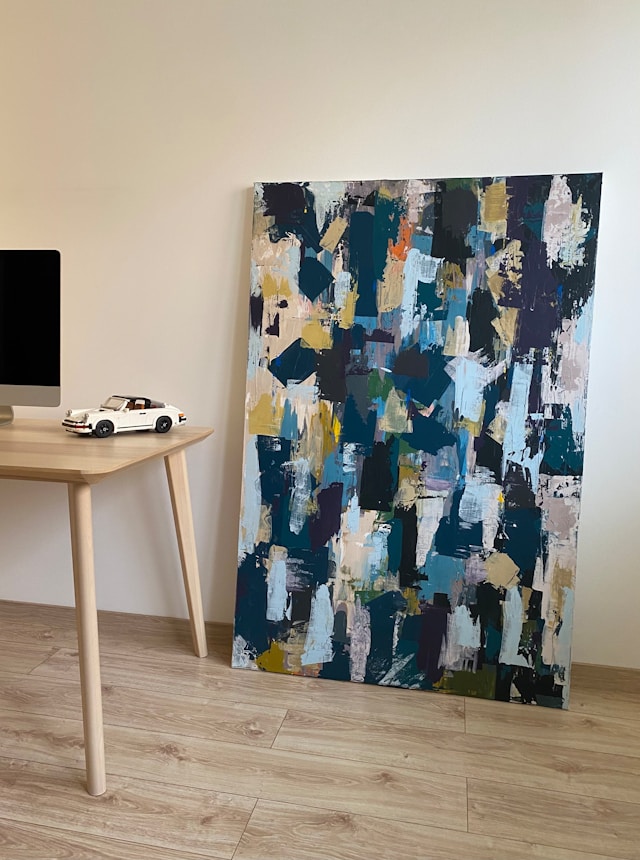
From setting the right mood to balancing scale and style, selecting the perfect picture for any room is an art and a science. By considering the room’s purpose, harmonizing colors without overmatching, understanding the impact of scale, choosing between abstract and classic styles, accounting for lighting, and prioritizing personal connection, you can create spaces that feel cohesive and uniquely yours. The right artwork transforms it into a reflection of who you are.
