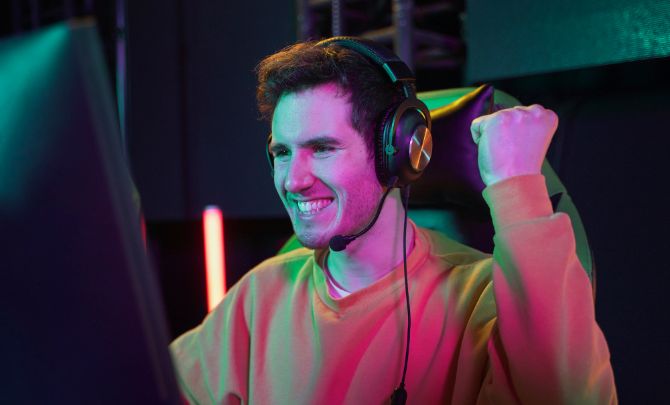
The Public’s Growing Interest in How Celebrities Play
Fact-based lifestyle platforms have changed how audiences follow celebrities and sports figures. Readers no longer focus only on fame or personal relationships; they want to understand hobbies, routines, and digital habits that shape everyday life. Video games and eSports have become especially relevant because they blend entertainment, competition, and technology in a way that mirrors modern culture.
For actors, musicians, and professional athletes, gaming is not just downtime. It is often tied to social interaction, brand partnerships, and even performance training. These details fit naturally into fact-driven storytelling, helping audiences see public figures as participants in broader digital trends.
As gaming culture becomes more visible, related platforms and ecosystems are also drawing attention. This includes streaming services, competitive leagues, and online gaming environments that reflect how entertainment continues to evolve.
Gaming, Competition, and the Celebrity Mindset
Competitive drive is a common trait among successful public figures, particularly athletes. Video games and eSports tap into this mindset by offering structured challenges, rankings, and measurable progress. Many celebrities have openly discussed how gaming sharpens focus, reaction time, and strategic thinking.
This connection explains why eSports events increasingly attract celebrity viewers and participants. Tournaments feel familiar to those used to high-pressure environments, while the digital format offers flexibility and accessibility. From a factual perspective, gaming becomes another extension of performance culture rather than a passive pastime.
Lifestyle coverage that highlights these habits helps readers understand why gaming resonates so strongly with competitive personalities. It also shows how digital entertainment aligns with broader performance-oriented lifestyles.
Online Gaming Platforms as Part of Modern Entertainment
Beyond consoles and PCs, online gaming platforms have expanded what digital play looks like today. Services such as Foxygold illustrate how interactive entertainment now blends game mechanics, user experience design, and real-time engagement. These platforms appeal to users who enjoy fast-paced gameplay and reward-driven systems similar to those found in popular video games.
For audiences following celebrity lifestyles, this crossover is significant. It shows how gaming culture influences adjacent platforms that rely on skill, probability, and digital interaction. Understanding these connections helps place online gaming environments within the same ecosystem as mainstream video games and competitive eSports.
From a fact-focused angle, these platforms represent how gaming principles extend beyond traditional genres. They reflect a broader shift toward interactive, always-available entertainment experiences.
Why eSports Culture Appeals to Public Figures
eSports culture mirrors many elements of traditional sports, which makes it appealing to athletes and competitive entertainers. Structured leagues, rankings, and fan communities create an environment that feels familiar yet technologically advanced. Celebrities who engage with eSports often appreciate the balance between skill development and entertainment.
Streaming platforms further amplify this appeal by allowing public figures to interact directly with fans. Playing or watching games becomes content in itself, blending lifestyle, branding, and personal interest. This visibility strengthens the connection between gaming and celebrity identity.
For readers, these behaviors provide insight into how digital competition fits naturally into modern fame. Gaming is no longer niche; it is a mainstream activity shared across industries.
Core Elements That Define Modern Gaming Platforms
When examined objectively, successful gaming and eSports platforms share several defining traits. These characteristics help explain their widespread adoption among both casual users and high-profile individuals.
Key elements include:
- Real-time interaction and competitive mechanics
- Reward systems that encourage progression and engagement
- Cross-device accessibility for flexible play
- Secure digital environments that protect user data
These components echo what players expect from modern video games. Seeing them repeated across different platforms reinforces the idea that gaming design principles now influence the wider entertainment landscape.
Traditional Gaming vs Digital-First Platforms
| Feature | Traditional Gaming | Digital-First Platforms |
| Accessibility | Console or PC-based | Browser and mobile access |
| Community | Local or limited online | Global, real-time users |
| Updates | Periodic releases | Continuous live updates |
| Engagement | Session-based | Ongoing interaction |
| Visibility | Private play | Social and shareable |
This comparison highlights why digital-first platforms are increasingly discussed alongside video games and eSports. Their design aligns with modern expectations of constant connectivity and engagement.
Responsible Play and Public Discussion
As gaming expands, responsibility becomes part of the conversation—especially when public figures are involved. Celebrities often emphasize balance, moderation, and awareness when discussing gaming habits. This perspective helps normalize gaming as entertainment rather than excess.
Fact-based platforms play a key role in shaping this narrative. By focusing on usage patterns and context rather than hype, they provide readers with realistic insight. This approach supports informed discussions around digital entertainment without overstating outcomes or risks.
Gaming as a Lifestyle Data Point
When viewed through a factual lens, gaming habits become meaningful lifestyle indicators. They reveal how celebrities unwind, compete, and engage with technology-driven entertainment. Video games and eSports are no longer side interests; they are integrated into daily routines and public personas.
Understanding these patterns allows readers to see gaming as part of a larger cultural shift. Digital play reflects how entertainment, technology, and lifestyle now intersect, offering a clearer picture of how modern celebrities interact with the gaming world.
