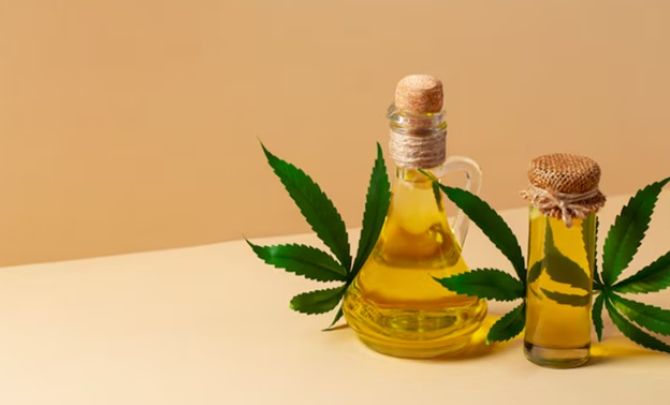
Over the last ten years, there has been an incredible revolution in the hemp industry. A niche market has now become a dynamic, consumer-based segment driven by innovation, transparency, and lifestyle trends.
As regulations change and awareness rises, contemporary hemp products are evolving rapidly to meet evolving expectations. Below are four major ways how hemp products are responding to consumer demand. Let’s review them in detail…
1. Diversification and Product Innovation
Modern customers are seeking more than just hemp oils or standard extracts. They seek diversity, ease, and customized experiences. In response, brands are diversifying their product offerings to include edibles, beverages, topicals, vape cartridges, and capsules, among others.
There has also been a significant change in the cannabinoid-specific offerings. In addition to CBD, consumers are learning about minor cannabinoids and new formulations that promise to produce specific effects.
This involves the growing popularity of THCa products among informed consumers seeking other hemp products. With growing sophistication in consumer preferences, producers are exploring research and more refined extraction methods to develop cleaner, more targeted products.
2. Lab Testing Standards and Transparency
Consumers today are more informed than ever before. They want to know precisely what they are putting in their bodies. Consequently, third-party lab testing has become an expectation and not a bonus feature.
Certificates of Analysis (COAs), ingredient lists, and sourcing information are now prominently displayed for brands. Customers are seeking evidence of strength, purity, and adherence to legal THC content. Openness generates trust, and trust creates long-term loyalty.
Businesses that focus on clear labelling and teaching materials are becoming competitive. Consumers no longer accept vague claims; they require scientifically supported data and honest marketing.
3. Sustainable and Ethical Sourcing
Green consciousness is affecting almost all consumer markets, and hemp is no exception. Consumers are increasingly interested in buying hemp products grown without harmful pesticides or synthetic fertilizers.
Eco-friendly packaging, carbon-conscious operations, and sustainable farming practices are emerging as strong selling features. Hemp is widely regarded as a durable and eco-friendly crop, yet consumers now demand more, prompting brands to engage in responsible supply chain management.
This move toward sustainability makes hemp products consistent with broader lifestyle values, particularly among younger audiences who prioritize ethical consumption.
4. Customizable and Lifestyle-Focused Branding
Hemp products are no longer marketed solely for wellness; they are positioned as lifestyle enhancements. Brands are creating targeted formulations for sleep, relaxation, focus, fitness recovery, and overall balance.
Customization is also on the rise. From adjustable serving sizes to specialized blends, consumers want products that fit seamlessly into their routines.
With customizable serving sizes and premium blends, customers want products that fit their lifestyles. Brands such as Smoke Kind respond to this trend by making their products more relevant to contemporary consumer interests and more convenient to purchase.
It is no longer about generic solutions but about personalized experiences that address specific needs and objectives.
The Future of Hemp Products
The development of contemporary hemp reflects a larger movement toward transparency, innovation, and consumer empowerment. With increasing education and choice among buyers, quality, sustainability, and adaptability remain central to brands.
The hemp industry’s rapid transformation demonstrates how responsive markets can be when driven by informed consumer demand—and the momentum shows no signs of slowing down.
Conclusion
Modern hemp products are evolving at a remarkable pace, shaped directly by what today’s consumers value most: variety, transparency, sustainability, and personalization. As buyers become more informed and selective, brands are responding with innovative formulations, rigorous lab testing, ethical sourcing, and lifestyle‑focused product lines. This shift reflects a broader movement toward cleaner ingredients, clearer information, and more intentional consumption. The hemp industry’s rapid transformation shows just how adaptable it can be when guided by consumer expectations. With demand continuing to rise and education expanding, the future of hemp products promises even greater refinement, responsibility, and innovation.
