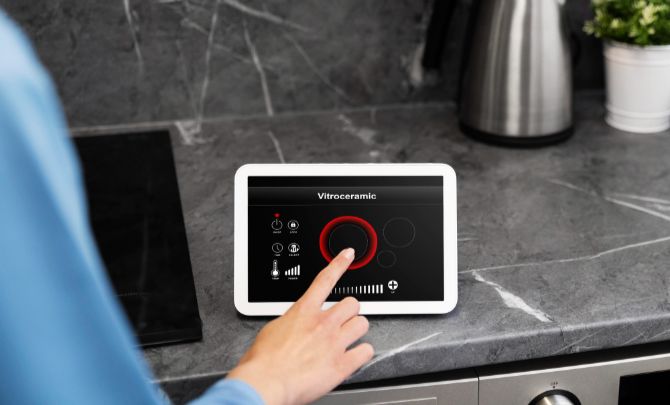
Air conditioning systems are vital for keeping homes comfortable during warm seasons, but frequent repairs can be both costly and inconvenient. One of the most effective ways to prevent these problems is by using a smart thermostat. Unlike traditional thermostats, innovative models are designed to monitor performance, optimize efficiency, and maintain consistent indoor comfort automatically. They adjust settings based on occupancy, outdoor temperatures, and personal habits, allowing the AC to operate more efficiently and with less strain. By reducing unnecessary workload and wear on the system, smart thermostats play a significant role in minimizing the need for regular maintenance or unexpected repairs.
Precision Control Improves System Longevity
Traditional thermostats often operate on fixed schedules, which can overwork an AC system when cooling is not actually needed. Smart thermostats eliminate this problem by utilizing advanced sensors and algorithms to adjust cooling cycles precisely. These devices learn from your daily habits and temperature preferences, running the system only when necessary and ensuring it doesn’t work harder than required. This controlled operation prevents excessive cycling, which typically wears down components such as compressors, fans, and motors. By maintaining stable and balanced operation, the air conditioner experiences less friction, fewer electrical surges, and reduced stress on its internal parts. Over time, this smart regulation extends the system’s lifespan, helping homeowners save on both energy bills and potential mechanical breakdowns. Precision in temperature management directly translates to long-term reliability and reduced dependence on frequent service visits.
Smart thermostats not only enhance energy efficiency but also significantly reduce the need for frequent AC repairs by optimizing system performance. For residents in Texas, this can be particularly beneficial. If you’re experiencing issues with your air conditioning system, consider consulting a professional for ac repair san angelo. By integrating smart technology, homeowners can monitor their HVAC systems more effectively, identifying potential problems before they escalate into costly repairs. This proactive approach not only extends the lifespan of the equipment but also ensures a comfortable indoor environment year-round.
Preventing Overuse and Mechanical Strain
Overuse is one of the most common causes of AC system breakdowns. Smart thermostats are designed to prevent this by ensuring the system operates only when conditions truly require cooling. For instance, when the home is unoccupied, these devices automatically adjust the temperature to reduce energy use, and when residents return, they restore comfort settings seamlessly. This automation reduces the number of on-off cycles the unit goes through each day, which can otherwise accelerate component fatigue. Additionally, smart thermostats provide data-driven insights into your system’s performance, helping you detect irregular patterns before they escalate into serious issues. By catching small inefficiencies early, homeowners can avoid unnecessary AC repair costs and maintain steady performance throughout the year. Over time, the reduced workload helps keep mechanical parts in better condition, ensuring that minor wear never develops into significant mechanical failure.
Detecting Performance Issues Before They Worsen
One of the most beneficial features of smart thermostats is their ability to detect performance issues in real time. They can identify irregularities such as longer cooling cycles, reduced airflow, or inconsistent temperatures—signs that might indicate emerging mechanical or electrical problems. When detected early, these irregularities can be addressed before they develop into expensive repairs. Many smart thermostats connect directly to mobile apps, sending alerts if something unusual occurs, allowing homeowners to take immediate action. This proactive functionality minimizes downtime and helps maintain peak performance without waiting for a complete system failure to appear. The ability to monitor humidity levels and energy consumption further enhances early detection, ensuring that every part of the system works harmoniously. By serving as both a diagnostic tool and a control device, smart thermostats effectively bridge the gap between routine monitoring and preventive maintenance, thereby reducing the risk of major breakdowns.
Enhancing Energy Efficiency for Lower Stress Levels
Energy efficiency plays a direct role in system health. When an AC unit operates more efficiently, it uses less energy to achieve desired comfort levels, thereby reducing strain on its core components. Smart thermostats automatically optimize energy use by analyzing both environmental factors and user patterns. They adjust settings gradually, instead of forcing the unit to start or stop abruptly, which reduces power surges and mechanical stress. This smoother operation keeps compressors and motors from overheating or overworking, two major causes of long-term wear. By lowering overall demand, the thermostat ensures that each cooling cycle runs at maximum efficiency with minimal waste. Over time, this balance not only reduces energy bills but also contributes to fewer service calls. An energy-efficient system supported by a smart thermostat functions reliably, stays cleaner internally, and maintains consistent performance even during periods of heavy use.
Smart thermostats not only optimize energy usage but also extend the lifespan of HVAC systems by reducing wear and tear. This proactive approach minimizes the need for frequent maintenance and costly repairs. For those in need of professional assistance, especially during unexpected breakdowns, seeking reliable services for furnace repair riverside can ensure your system is back up and running efficiently. By integrating smart technology with expert maintenance, homeowners can enjoy a comfortable indoor environment while keeping repair costs at bay.
In addition to optimizing your home’s energy efficiency, smart thermostats can also play a crucial role in maintaining the longevity of your HVAC system. By learning your schedule and adjusting temperatures accordingly, these devices help reduce unnecessary strain on your air conditioning unit, potentially decreasing the need for frequent repairs. However, it’s important to consider other aspects of HVAC maintenance as well. For instance, understanding Why shouldn’t I cover my heat pump or mini-split during colder months can prevent moisture buildup and ensure proper airflow, further safeguarding your system. Integrating these practices with smart technology can lead to a more efficient and durable home climate control system.
Supporting Consistent Temperature Balance Throughout the Home
Uneven cooling is a common complaint among homeowners, often signaling airflow imbalances or duct inefficiencies. Smart thermostats help resolve this by continuously monitoring indoor conditions and making micro-adjustments to maintain even temperatures throughout the home. By preventing overcooling in one area and undercooling in another, these systems reduce the frequency of erratic cycles that strain the compressor and blower. Consistent operation means the unit runs at an optimal level without frequent starts and stops, which helps preserve the health of the motor and fan. In homes with zoning systems, smart thermostats provide even more precise control, balancing airflow between rooms and maintaining comfort without overburdening the system. Maintaining balanced indoor temperatures not only enhances comfort but also reduces the mechanical wear associated with frequent fluctuations, directly improving the longevity of the air conditioning system.
Empowering Homeowners Through Insights and Automation
Modern smart thermostats go beyond simple temperature control by offering detailed data on energy usage, performance trends, and operational efficiency. Homeowners can access this information through mobile devices or online dashboards, allowing them to understand precisely how their cooling system performs. These insights enable users to make more informed energy decisions and identify potential inefficiencies early on. Automated scheduling ensures that cooling is applied intelligently, and remote access allows quick adjustments from anywhere. This control prevents unnecessary energy waste and limits the physical strain on the system. The more efficiently the AC runs, the less often it requires repairs or replacements. Over time, the combination of data awareness, automation, and precision operation makes the entire HVAC system more resilient, providing comfort with minimal intervention or disruption.
Smart thermostats not only enhance energy efficiency but also contribute to the longevity of your HVAC system by reducing wear and tear. By maintaining optimal temperatures and providing timely maintenance alerts, these devices help prevent common issues that lead to costly repairs. For those interested in further enhancing their heating systems, it’s beneficial to explore more about reliable heating solutions and services available in your area. This proactive approach ensures that your home remains comfortable while minimizing the need for frequent repairs, ultimately saving you time and money.
Smart thermostats play a pivotal role in reducing the frequency of AC repairs by optimizing system performance, minimizing mechanical strain, and preventing unnecessary use. Their precision control, early detection capabilities, and energy-saving features all contribute to longer system life and greater reliability. By promoting smoother operation and consistent temperature balance, they prevent common issues that often lead to mechanical breakdowns. For homeowners, this means fewer repair costs, improved comfort, and enhanced peace of mind. With technology that anticipates problems and adjusts automatically, smart thermostats ensure that air conditioning systems remain efficient, dependable, and cost-effective throughout every season.
