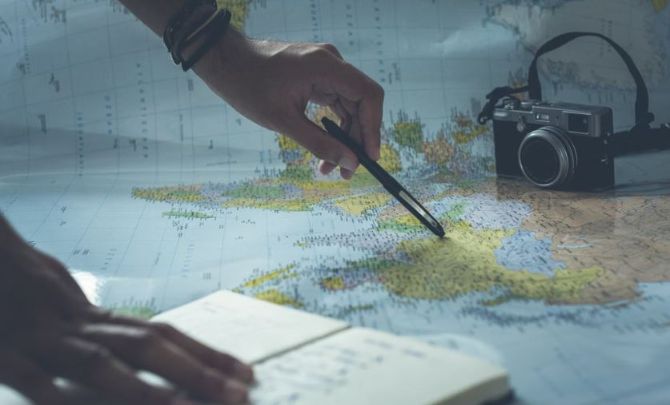
Traveling can be an exhilarating experience, yet it comes with some planning and risks. For a smooth journey, learn more about your destination, local customs, and travel documents. The following guide will explore some tips and information that can help you prepare for a successful trip.
With careful planning, you can focus on creating unforgettable memories and lessening travel-related stress.
Travel Requirements and Documentation
Before embarking on your trip, familiarize yourself with the travel requirements for your destination. Each country has its regulations regarding entry, including visa requirements. Some nations require a visa even for short visits; others allow visa-free entry for varying durations.
Your passport must be valid for at least six months beyond your planned departure date. Keep physical and digital copies of your passport, flight itinerary, and accommodation details. Having your paperwork in order can prevent needless complications at border crossings so that you can focus on enjoying your trip, not on bureaucracy.
Travel Insurance
Unexpected events can happen on your trip: trip cancellations, medical emergencies, or lost luggage are all too common. That’s why having travel insurance can save you from hefty expenses. If you are traveling to Europe, purchase travel insurance from Fast Cover or any other reliable supplier that offers the right coverage for your needs. Travel insurance covers cancellation fees and medical emergencies that may occur while abroad.
Some plans even include coverage for activities like skiing or scuba diving, so review your chosen policy before committing to one. Keep your insurance documents accessible and understand how to file a claim should you need it. Being proactive about insurance can turn a troublesome situation into a manageable one.
Budgeting
Never forget to budget for your travels. Determine your travel budget, which includes flights, accommodation, meals, activities, local transportation, and souvenirs. Research the cost of living in your destination to set realistic expectations.
Having a detailed daily budget can keep your expenses in check throughout the trip. Consider using budgeting apps to track your expenditure in real time. Include a buffer for unexpected opportunities or emergencies, maybe a spontaneous excursion or an unforeseen event that requires additional funds. A well-planned budget will enable you to make the most of your trip and avoid overspending.
Health and Safety Considerations
Health and safety should be a priority. Research any vaccinations or health advisories recommended for your destination. Certain regions may require specific vaccines to prevent diseases that could spoil your trip. Understand local healthcare access in that specific country. In case of emergencies, you want to know where to find hospitals or clinics. Pack an ample supply of medications and a basic first-aid kit, including pain relievers, band-aids, and antiseptic wipes.
Traveling comes with a few risks, and staying informed about local safety conditions can help you avoid dangerous situations. Prioritize your health and safety, and you can enjoy a memorable trip.
Connectivity and Technology
To be connected on your journey, consider using mobile data, which may include international plans from your provider or purchasing a local SIM card upon arrival. Such connectivity enables you to access maps, communicate with others, and share experiences on social media.
Wi-Fi availability varies widely across destinations. Many hotels and cafes offer free Wi-Fi, but it’s always better to have some backup options. Regardless of where you are, your devices should be charged, and portable chargers can save you on long day trips.
Download useful travel apps to improve your experience. These apps can provide language translation and local transportation schedules, assisting you in navigating unfamiliar environments.
Local Culture and Customs
Research local culture and customs beforehand to stay respectful. Different countries have their traditions, manners, and communication styles that can differ from your own. Familiarizing yourself with common local phrases can make interactions more pleasant and effective. Simple greetings or expressions of gratitude go a long way in building rapport with locals.
Researching traditions, holidays, and dining etiquette can add to your appreciation for a culture. Different countries have varied perspectives on punctuality, dress codes, and behaviors in public. Adapting to these customs demonstrates respect and results in a more immersive experience. The give-and-take nature of cultural exchanges can provide a deeper insight into your surroundings and build meaningful connections.
Packing Smart and Light
Pack smart by making a checklist of items tailored to your destination and planned activities. Prioritize versatile clothing options that can be mixed and matched to create several outfits, and consider the climate to avoid overpacking. Leave extra space in your luggage for souvenirs or items you may acquire during your trip.
A well-organized suitcase can save time and stress when navigating airports or public transport. Implementing packing cubes or compression bags can maximize space and keep items easily accessible. Remember to pack essential electronics, chargers, and any necessary adapters for local outlets.

With adequate preparation and knowledge, you can embark on your adventure with confidence, prepared for almost any challenge. The journey begins with careful planning and a positive mindset so that your trip is as memorable as it is successful.
