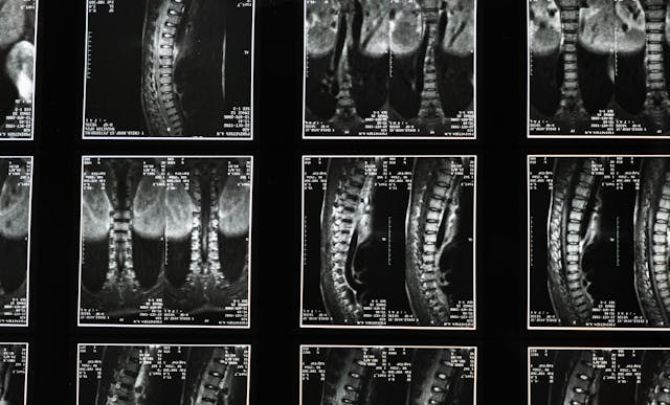
In the quiet corridors of hospitals and the bustling environments of rehabilitation centers, a profound struggle often goes unnoticed: the emotional toll of spinal cord injuries on both patients and their families. Whether you’re looking for a Houston spinal cord injury lawyer, this article aims to illuminate the unseen battles that accompany physical recovery, offering insights into the emotional landscapes navigated by those affected.
Understanding Spinal Cord Injuries: An Overview
What Are Spinal Cord Injuries?
Spinal cord injuries (SCIs) represent a profound disruption of the nervous system, often resulting from trauma such as accidents or falls. These injuries can range from minor bruises to severe damage that interrupts communication between the brain and the rest of the body.
The impact of an SCI can vary significantly based on several factors, including the location and intensity of the injury. Higher injuries on the spinal cord can lead to more extensive paralysis, affecting all four limbs (known as quadriplegia). In comparison, lower injuries may result in paraplegia, affecting the legs and lower body.
Causes and Consequences
The primary causes of spinal cord injuries include vehicular accidents, falls, acts of violence, and sports-related activities. These incidents can tear, crush, or compress the spinal cord, leading to irreversible changes in strength, sensation, and other bodily functions.
The consequences of SCIs extend beyond physical limitations, often encompassing profound emotional and psychological challenges for both the patient and their families. These injuries not only alter the patient’s physical capabilities but also impact their mental health, requiring comprehensive care and support.
The Psychological Toll on Patients: Navigating the Emotional Impact
Emotional Turbulence: A New Reality
Spinal cord injuries (SCIs) invariably thrust individuals into a world of emotional upheaval. The abrupt transition from independence to dependence can be jarring, leading to feelings of loss and uncertainty.
Many patients experience a range of emotions, including anger, denial, and grief, as they grapple with their new physical limitations. This abrupt change often results in a profound sense of identity loss, as activities that once defined their daily lives become replete with challenges.
The Weight of Unseen Struggles
Depression and anxiety are familiar companions in the aftermath of an SCI. The psychological burden of adapting to a new lifestyle can be overwhelming, casting a shadow over the rehabilitation process.
Patients may feel isolated, fearing stigma or diminished self-worth. It’s essential to address these mental health challenges head-on, as they can hinder physical recovery and overall well-being.
Professional counseling and peer support groups can offer invaluable platforms for patients to express their fears and frustrations, fostering a sense of community and shared understanding.
Pathways to Resilience
Despite the challenges, resilience is attainable with the right support structures. Encouraging patients to set realistic goals and celebrate small victories can transform the rehabilitation process into a journey of empowerment.
Building a robust support network that includes family, therapists, and peer groups is equally critical. These resources not only provide emotional support but also practical advice from those who have walked a similar path.
Families in Turmoil: Coping with the Emotional Strain of Spinal Cord Injuries
The Ripple Effect of Trauma
When a spinal cord injury occurs, it doesn’t just affect the individual who sustains it; the shockwaves extend far beyond, enveloping families in a whirlwind of emotions. For many families, this is an unexpected shift in dynamics, where roles may need to be redefined and responsibilities reshuffled. The emotional strain can be overwhelming, often leading to feelings of helplessness, anxiety, and grief.
Navigating Emotional Turmoil
Acknowledging the emotional turmoil is the first step toward healing. Families may experience a plethora of emotions, from denial and anger to sadness and acceptance. It’s vital to recognize that these feelings are natural and part of the coping process.
Open communication can be therapeutic, where family members express their emotions and concerns in a supportive environment. Professional guidance, such as counseling, can provide a safe space for families to explore these feelings and develop coping strategies.
Building a Support System
Creating a robust support system is crucial for families as they adapt to new realities. Engaging with support groups can offer not only practical advice but also empathy from those who have walked a similar path. Sharing experiences and learning from others can alleviate the sense of isolation often felt during such challenging times.
Moving Forward Together
While the journey is arduous, families can emerge stronger by fostering an environment of love, patience, and understanding. Setting realistic goals and celebrating small victories can provide much-needed encouragement and motivation. By facing these challenges together, families can navigate the uncharted waters of spinal cord injuries, emerging more connected and resilient than before.
Final Thoughts
In navigating the profound challenges posed by spinal cord injuries, you and your loved ones face an emotional journey that demands resilience, understanding, and support. Recognizing the invisible battles fought daily can foster a more profound empathy and inspire a more robust network of care. Whether you are looking for a Houston spinal cord injury lawyer to advocate for awareness and resources, remember that these efforts illuminate paths to healing and adaptation.
