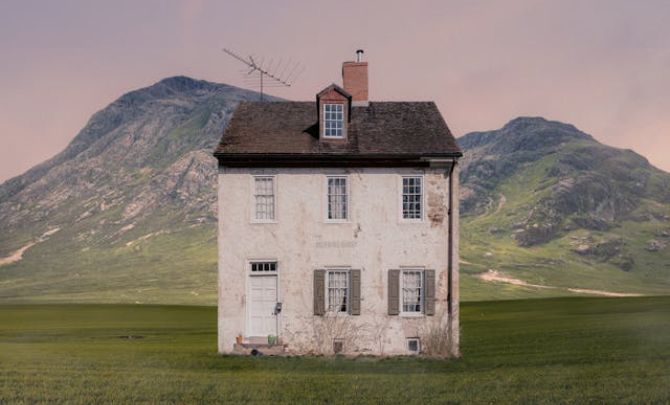
Older homes carry a sense of charm and history, but they also come with responsibilities that newer constructions may not demand so frequently. One of the most important maintenance tasks for aging properties is routine leak inspection. Undetected water leaks can silently erode structural integrity, drive up utility bills, and lead to long-term damage that is both costly and time-consuming to repair. Whether it’s hidden corrosion in galvanized pipes, subtle shifts in foundation affecting plumbing connections, or aged sewer lines showing signs of wear, older homes are more vulnerable to water-related issues.
We will explore how to approach leak inspections in a way that protects your investment while maintaining the comfort and safety of your living space. With help from trusted services like American Leak Detection of Metro Denver, understanding the right timeframes and key indicators for scheduling inspections becomes easier. You’ll be better equipped to keep your older home in great condition for years to come.
How to Time Routine Leak Inspections in Aging Properties
1. Schedule Inspections Every Two to Three Years if Your Home is Over 30 Years Old
Once a home passes the 30-year mark, it becomes increasingly important to monitor its internal systems with consistency. Plumbing materials such as galvanized steel, polybutylene, or copper can degrade due to water chemistry, temperature fluctuations, and age. Even if no current symptoms are visible, internal corrosion can cause tiny pinhole leaks that go undetected until walls are damaged or mold begins to form. A two-to-three-year inspection cycle strikes a balance between prevention and cost, offering homeowners peace of mind without being intrusive or excessive. This interval is ideal for identifying vulnerabilities before they evolve into urgent problems.
Leak detection professionals can use advanced tools like acoustic sensors and infrared imaging to catch issues within walls or under slabs, minimizing the need for invasive work. Regular inspections also establish a historical record of your plumbing system’s condition, which becomes invaluable for budgeting future repairs or renovations.
2. Schedule an Inspection Immediately After Purchasing an Older Home
Buying an older home often means inheriting years of wear and unknown maintenance histories. Even if the property passed a standard home inspection during purchase, those evaluations tend to focus on visible elements and do not always assess the full condition of plumbing infrastructure. Scheduling a leak inspection as soon as you take ownership allows you to identify existing issues, hidden leaks, or areas prone to failure. This is especially critical if the home includes original piping or has been remodeled multiple times.
Leak inspections at this stage not only reveal urgent problems but also help identify which parts of the system may require upgrades. Homeowners can prioritize necessary repairs and avoid the disappointment of discovering hidden damage after moving in. Moreover, establishing a maintenance schedule from day one promotes long-term care and extends the useful life of your plumbing system, saving you money and inconvenience over time.
3. Time Your Inspection Before Major Seasonal Changes
Weather can significantly impact the behavior of your home’s plumbing system. As temperatures fluctuate—particularly during the transition from fall to winter or winter to spring—older pipes are at a higher risk of expansion, contraction, and cracking. Frozen pipes in winter, for instance, can burst due to pressure build-up, especially in homes with minimal insulation or pipes near exterior walls. Scheduling a leak inspection before these seasonal changes prepares your home for what lies ahead.
It allows you to identify vulnerable areas and take preventative action, such as insulating exposed pipes or repairing loose joints. Spring is also a good time for inspections because the thawing ground can put pressure on underground pipes and cause older foundations to shift. Regular inspections at this time help prevent emergencies that may occur when weather extremes stress aging plumbing systems, which are often less resilient than modern ones.
4. Plan Inspections When You Notice a Change in Water Usage or Pressure
Any unexpected shift in your water bill, usage, or pressure should be treated as a red flag, especially in older homes. These changes often indicate a leak somewhere in the system, even if it’s not visible. A gradual increase in your water bill, without a change in usage habits, could suggest a slow leak in underground lines or within the walls. Similarly, inconsistent water pressure may stem from blockages or pipe corrosion, both of which require attention before they escalate. Instead of waiting for obvious signs like wall stains or wet spots, it’s wise to schedule a leak inspection at the first hint of irregularity.
Older pipes, especially those made of aging materials, are more prone to failure. Addressing the issue early can prevent further damage and help preserve the structural and functional integrity of your home. These inspections serve as diagnostic tools, providing a clear picture of what’s happening out of sight.
Caring for an older home involves much more than aesthetics and charm—it demands attention to hidden systems that keep the house functioning safely and efficiently. Routine leak inspections are a crucial part of that care, especially as age, materials, and environment all contribute to increasing the risk of water-related issues. By understanding when to schedule inspections—whether it’s every few years, at the time of purchase, before seasonal shifts, in response to unusual water behavior, or based on geographic conditions—you give yourself the tools to act before problems grow worse.
Leak detection is not just about fixing what’s broken; it’s about protecting the structure and value of your home proactively. Regular assessments enable you to enjoy the comforts of an older property while avoiding many common pitfalls. With a thoughtful inspection plan, you can preserve both the charm and the integrity of your home for generations to come.
For homeowners in San Diego, it’s crucial to ensure that routine leak inspections are conducted regularly, especially in older homes where plumbing systems may be more susceptible to wear and tear. Engaging a professional, such as a plumber san diego, can help identify potential issues before they escalate into costly repairs. Regular inspections not only safeguard the structural integrity of your home but also contribute to water conservation efforts by preventing leaks. By scheduling these inspections, you can maintain a safe and efficient plumbing system, ultimately enhancing the longevity and value of your property.
