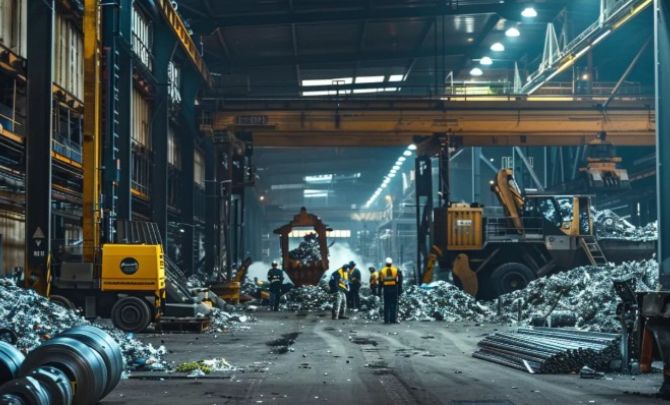
Metal recycling is an essential part of sustainable living, influencing economic growth, environmental conservation, and energy savings. The ability to recover and reuse metal materials means we can significantly reduce our ecological footprint by limiting the need to extract and process raw materials. Metal is unique in that it retains its properties, even when recycled numerous times, making it an ideal candidate for a continuous cycle of use and reuse. In this article, we’ll delve into the intricacies of metal recycling and demonstrate why it should be a priority for individuals and businesses alike. Keep reading to become more informed and actively engaged in this vital environmental endeavor.
The Importance of Metal Recycling for Environmental Sustainability
When discussing environmental sustainability, the benefits of metal recycling cannot be overstated. By repurposing metals, we drastically cut down on the demand for raw materials, which in turn reduces the ecological damage caused by mining operations. These activities often lead to habitat destruction, water pollution, and the generation of greenhouse gases that contribute to climate change.
Furthermore, metal recycling facilities, like metal recycling Ann Arbor MI, serve as local hubs for sustainable practices. They provide an essential service to communities by managing waste responsibly and turning it into valuable raw material for various industries. This local activity exemplifies how environmental sustainability efforts can have a substantial impact on a regional level.
Moreover, recycling metals conserves energy because it requires significantly less energy to recycle existing materials than to produce new ones from scratch. For example, recycling aluminum consumes approximately 95% less energy than manufacturing it from bauxite ore. This energy savings translates into lower carbon emissions, helping to mitigate the global warming crisis.
Not only does metal recycling help in conserving natural resources and energy, but it also supports the economy. The recycling industry generates employment across a broad spectrum of roles, from collection and processing to manufacturing products from recycled materials. These jobs contribute to the broader economy, fostering community development and environmental stewardship.
Understanding the Metal Recycling Process
The metal recycling process is a sophisticated sequence of actions that transforms discarded metal items into reusable materials. Initially, metals are collected from various sources, including municipal collection programs, industrial scrap, and consumers delivering materials to dedicated recycling centers.
Once collected, the metals undergo sorting, which is critical for ensuring the quality of the recycled material. Different metals have varying properties and recycling requirements, so accurately separating them is crucial. Advanced technology involving magnets, sensors, and visual inspection techniques is widely employed for effective sorting.
The sorted metals are then cleaned and shredded into smaller pieces. This step improves the efficiency of the subsequent melting process. Furnaces are used to melt down the metal, and the molten material is then formed into ingots, sheets, or other shapes suitable for manufacturing new products.
Identifying and Sorting Different Types of Metals for Recycling
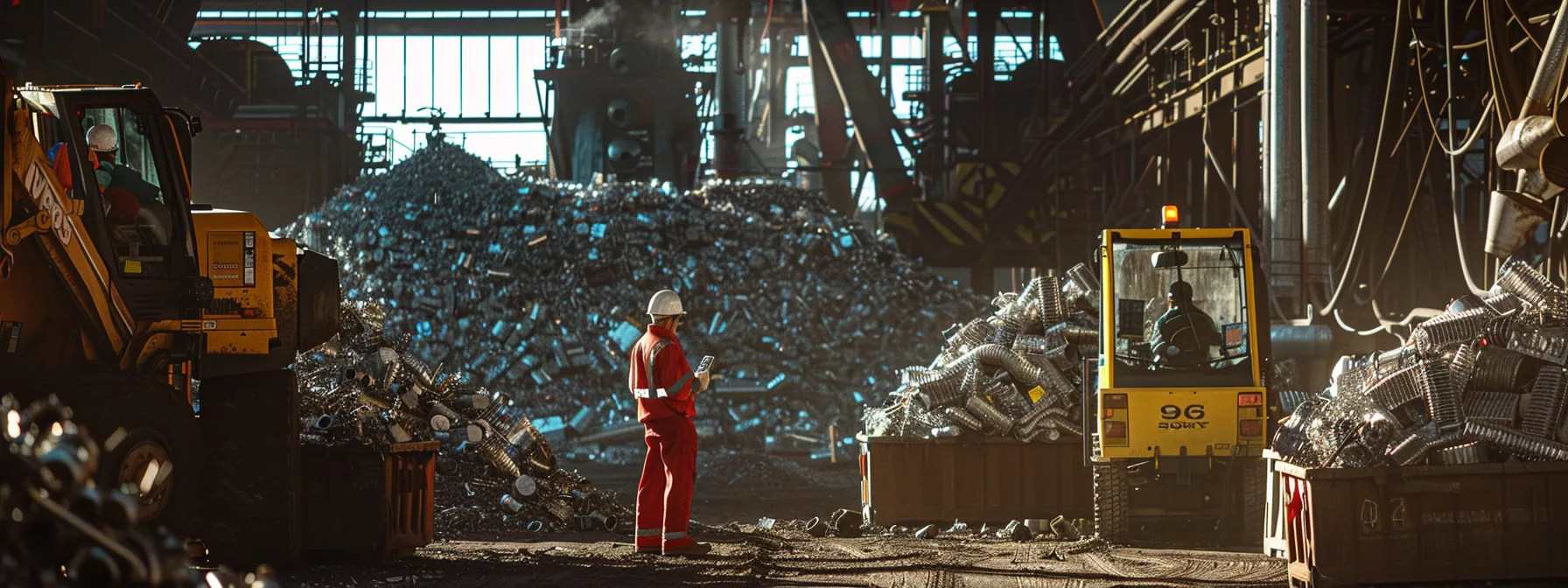
Understanding different types of metals is key to the recycling process. Ferrous metals, like iron and steel, are magnetic and common in construction and appliances, while non-ferrous metals, such as aluminum, copper, brass, and stainless steel, are not magnetic.
Each metal has unique properties that influence its recycling. For instance, aluminum is lightweight and malleable, ideal for cans, while copper’s conductivity suits electrical wiring. Recognizing these characteristics helps recycling centers sort materials effectively.
Modern sorting techniques, including sensor-based systems, improve the identification and processing of metals, resulting in higher-quality recycled products. Accurate sorting is crucial for safety, as certain metals require specific handling, and improper mixing can pose risks. Therefore, it’s vital for everyone in the recycling chain to be informed and diligent in their sorting practices.
Challenges and Solutions in the Metal Recycling Industry
The metal recycling industry faces significant challenges, primarily because scrap metal is contaminated with non-metallic materials like plastic and glass, which can hinder recycling and damage machinery. To address this, recycling centers are investing in advanced sorting technology and promoting pre-sorting through public awareness campaigns.
Another issue is the fluctuating market for recycled metals, driven by global supply and demand, which affects the financial viability of recycling programs. Despite these challenges, ongoing innovations and policy measures, such as incentives for using recycled metals and international cooperation on environmental goals, are helping to strengthen the metal recycling sector.
Metal recycling serves as a cornerstone for sustainable development and environmental conservation. With concerted efforts from individuals, businesses, and governments, we can ensure that the valuable resources contained in metal products are not lost to landfills but instead contribute to a circular economy. Through awareness and responsible action, the continued growth and effectiveness of the recycling industry can be secured for generations to come.
