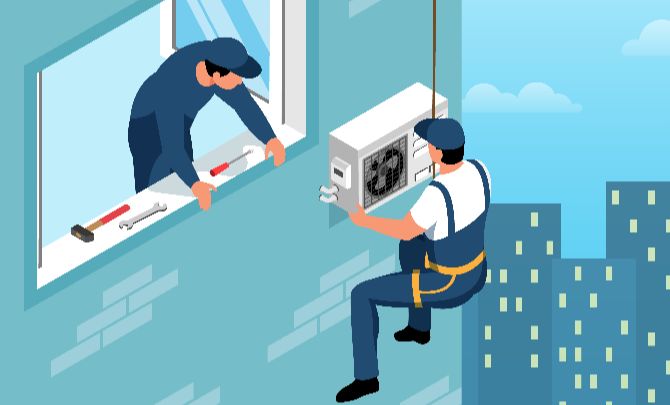
Air conditioning systems are often considered purely mechanical machines, but electricity is the driving force that keeps them running smoothly. Without a reliable power supply, your unit cannot cool, circulate, or effectively manage air. Many homeowners may assume that AC malfunctions are caused by clogged filters, refrigerant leaks, or mechanical wear, but electrical issues are frequently at the root of declining performance. From poor wiring to faulty breakers, small electrical issues can escalate into costly repairs and uncomfortable living conditions if left unaddressed. We will explore how electrical issues can impact your AC’s performance, the warning signs to watch for, and why resolving them promptly can prevent long-term damage and energy waste.
Common Electrical Problems That Impact AC Performance
1. Faulty Wiring and Loose Connections
One of the most overlooked causes of AC performance issues is faulty wiring. Over time, wiring can deteriorate due to age, heat, and constant electrical demand. Loose connections can develop, leading to inconsistent power delivery. When the flow of electricity to the compressor or fan motor is interrupted, your AC may short-cycle, fail to turn on, or struggle to maintain consistent temperatures. In some cases, loose wiring generates excess heat, which can damage other electrical components or even present fire hazards.
Imagine your AC drawing power but not receiving it consistently; the entire system becomes stressed, forcing it to work harder to provide the same level of comfort. This not only reduces efficiency but also raises your energy bills. Catching and correcting poor wiring early ensures that the AC runs steadily, protecting both your comfort and your home’s electrical safety. For homeowners seeking reliable solutions, timely air conditioner repair in Bartlesville, OK, can address wiring concerns before they escalate into major system failures.
2. Tripped Circuit Breakers and Overloaded Panels
Your circuit breaker is designed to protect electrical systems by shutting off power when an overload occurs. Air conditioners require a substantial amount of electricity to start up and operate continuously. When the demand is too high, the breaker may trip repeatedly. While it may seem like a minor inconvenience to reset a breaker, frequent trips are a red flag that your AC is drawing more power than the system can handle. This might stem from issues such as blocked airflow, failing components, or an outdated electrical panel that cannot support modern demands. Overloaded panels not only hinder AC performance but can also jeopardize other appliances that rely on stable power. When your breaker trips, your AC shuts down unexpectedly, interrupting cooling cycles and forcing the unit to restart frequently. This constant stop-and-start pattern increases wear and tear, reducing the system’s life span while compromising comfort.
3. Capacitor Failures and Start-Up Problems
Capacitors are small but vital electrical components inside your AC system. They store and release the electrical energy needed to start the compressor and fan motors. Without a properly functioning capacitor, your AC may struggle to start or fail to operate altogether. Early signs of capacitor trouble include humming sounds, delayed starts, or frequent short-cycling. If left unresolved, a failed capacitor can cause the compressor to overheat, leading to extensive damage that requires costly repairs. Since capacitors are responsible for providing that initial boost of energy, any decline in their ability reduces efficiency and strains the rest of the system. Homeowners often notice that their AC blows warm air or shuts off prematurely when capacitors are failing. By addressing capacitor issues early, you prevent larger electrical malfunctions and ensure your AC maintains reliable performance without unnecessary interruptions.
To ensure your air conditioning system operates efficiently, it’s crucial to address any electrical issues promptly. Faulty wiring or a malfunctioning thermostat can lead to inconsistent cooling and increased energy bills. If you’re experiencing frequent electrical problems, it might be time to consider a professional ac installation to upgrade your system. This can help prevent future issues and improve overall performance. By investing in a new installation, you can enjoy a more reliable and energy-efficient cooling experience, ultimately saving money and enhancing comfort in your home.
4. Damaged Relays and Contactors
Relays and contactors act as switches that control the flow of electricity to different parts of your AC system. When you adjust the thermostat, these electrical switches signal the compressor and fan motors to begin operation. If a relay or contactor is damaged or burned out, your AC may not receive the correct signals to run properly. This can lead to inconsistent cooling, system delays, or complete system failure. Damaged contactors often cause clicking or buzzing noises, a sign that electricity is not being transmitted effectively.
Without timely repairs, this issue forces your AC components to work irregularly, putting unnecessary strain on the compressor and fans. Since the compressor is one of the most expensive components of an AC system, ignoring relay or contactor problems can result in extensive damage and financial setbacks. Ensuring these components function correctly guarantees smooth communication between your thermostat and AC system.
Air conditioning systems rely heavily on consistent and stable electrical power to deliver comfort. Electrical issues, such as faulty wiring, capacitor failures, overloaded panels, and thermostat malfunctions, may seem minor at first but often lead to serious performance problems if ignored. Each component plays a crucial role in ensuring that power flows smoothly, signals are transmitted properly, and the system operates efficiently. When electrical issues disrupt this delicate balance, the AC not only loses efficiency but also suffers from increased wear, higher energy costs, and potential breakdowns. By taking action early, homeowners can extend the life of their AC systems, safeguard against costly repairs, and maintain reliable cooling when it is needed most. A well-maintained electrical foundation is crucial for achieving long-lasting and efficient air conditioning performance.
