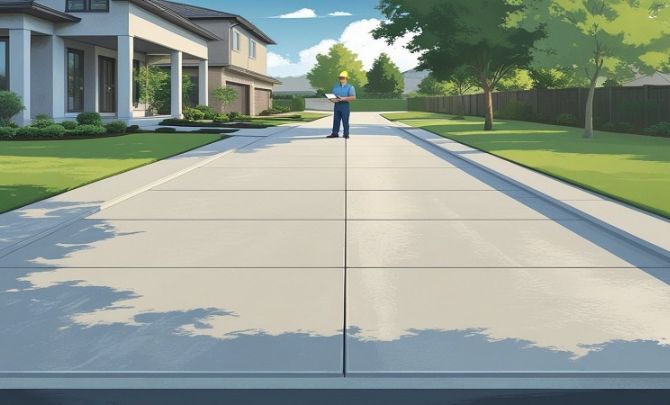
A concrete driveway represents a major investment for any property owner, making its expected lifespan a critical consideration for both budgeting and planning purposes. Unlike other driveway materials that may require frequent replacement or extensive repairs, concrete offers exceptional durability when properly installed and maintained.
Most concrete driveways last between 25 to 30 years with proper care and maintenance. However, this timeframe can vary significantly based on several key factors including climate conditions, installation quality, traffic load, and ongoing maintenance practices. Some driveways may show signs of wear earlier, while others can exceed the three-decade mark when conditions are favorable.
Understanding what influences concrete driveway longevity empowers property owners to make informed decisions about installation, maintenance, and eventual replacement. Expert insights reveal specific strategies that can significantly extend a driveway’s lifespan, potentially adding years of service and maximizing the return on this substantial home improvement investment.
Concrete Driveway Lifespan: What Experts Say
Industry professionals consistently report that concrete driveways last 20-30 years on average, with proper installation quality and climate conditions serving as the primary determinants of longevity.
Average Lifespan of Concrete Driveways
Concrete driveways typically last between 20 and 30 years under normal conditions. Well-installed concrete can reach the upper end of this range with proper maintenance.
Some concrete driveways extend beyond 30 years when installed with high-quality cement mixtures. Areas with mild climates and light vehicle traffic often see driveways lasting closer to 30 years.
Heavy-duty concrete installations can potentially reach 40-50 years in ideal conditions. This extended lifespan requires premium materials and professional installation techniques.
Lifespan by Quality Level:
- Basic installation: 20-25 years
- Standard installation: 25-30 years
- Premium installation: 30-50 years
The concrete mixture quality directly impacts durability. Higher cement content and proper aggregate ratios contribute to longer-lasting driveways.
Main Factors Affecting Durability
Climate conditions significantly influence concrete driveway lifespan. Freeze-thaw cycles cause expansion and contraction that leads to cracking over time.
Primary durability factors include:
- Temperature extremes – cause concrete expansion and contraction
- Installation quality – affects long-term structural integrity
- Vehicle weight – heavy trucks accelerate wear patterns
- Maintenance frequency – regular care prevents minor issues from spreading
Soil conditions beneath the concrete impact stability. Poor drainage or unstable soil leads to settling and cracking issues.
Traffic load affects wear patterns significantly. Driveways handling multiple heavy vehicles daily show faster deterioration than those with light passenger car use.
Water exposure from rain, snow, and irrigation systems penetrates concrete over time. Proper sealing helps protect against moisture-related damage.
Comparing Concrete to Other Materials
Concrete driveways outlast asphalt by 10-15 years on average. Asphalt typically requires replacement every 15-20 years compared to concrete’s 25-30 year lifespan.
Material comparison:
|
Material |
Average Lifespan |
Maintenance Needs |
|
Concrete |
25-30 years |
Low to moderate |
|
Asphalt |
15-20 years |
High |
|
Pavers |
25-50 years |
Moderate |
|
Gravel |
5-10 years |
High |
Paver driveways can match concrete durability but cost significantly more upfront. Individual pavers allow for easier repairs compared to concrete slabs.
Concrete offers superior durability against weather compared to asphalt. It resists heat damage better and maintains structural integrity longer.
The initial investment in concrete pays off through reduced replacement frequency. Lower maintenance requirements make concrete cost-effective over decades of use.
Key Strategies to Maximize Longevity
Several critical factors determine whether a concrete driveway reaches its maximum 30-50 year lifespan. The foundation work, contractor selection, ongoing care, and environmental considerations all play essential roles in driveway durability.
Importance of Base Preparation
The foundation beneath a concrete driveway determines its structural integrity for decades. A properly prepared base prevents settling, cracking, and premature failure.
The subgrade must be excavated to the correct depth and compacted to 95% standard proctor density. Contractors typically remove 8-12 inches of soil depending on local conditions and traffic loads.
Proper base materials include:
- Crushed stone or gravel (3/4-inch minus)
- Sand for leveling
- Geotextile fabric in poor soil conditions
The base layer should be 4-6 inches thick and compacted in lifts. Each lift requires mechanical compaction to eliminate voids and soft spots.
Drainage considerations prevent water accumulation beneath the slab. French drains or proper grading direct water away from the foundation. Poor drainage causes soil movement that cracks concrete within the first few years.
Role of Professional Concrete Contractors
Experienced contractors possess the specialized knowledge and equipment necessary for long-lasting installations. They understand local climate conditions, soil types, and building codes.
Professional contractors use proper concrete mix designs for driveway applications. Ready-mix concrete for driveways typically contains 3,000-4,000 PSI compressive strength with appropriate air entrainment for freeze-thaw protection.
Key contractor qualifications include:
- Licensed and insured operations
- Local references and portfolio
- Knowledge of reinforcement placement
- Experience with decorative options like stamped concrete
Proper reinforcement placement requires professional expertise. Contractors position rebar or wire mesh at the correct depth within the slab. They also install control joints at appropriate intervals to manage cracking.
Temperature and timing considerations affect concrete curing. Professionals monitor weather conditions and adjust pour schedules accordingly. They also apply proper curing compounds and protect fresh concrete from extreme temperatures.
Proper Maintenance and Sealing
Regular maintenance extends concrete driveway life significantly beyond the base 25-30 year expectation. Preventive care costs far less than premature replacement.
Concrete sealers protect against water penetration, freeze-thaw damage, and chemical attacks. Property owners should apply penetrating sealers every 2-3 years and topical sealers every 1-2 years.
Essential maintenance tasks include:
- Annual cleaning with pressure washing
- Crack filling within 6 months of appearance
- Deicing salt alternatives in winter
- Stain removal using appropriate chemicals
Control joint maintenance prevents random cracking. Property owners should keep joints clean and sealed with flexible caulking compounds. Vegetation growth in joints creates pressure that causes cracking.
Winter maintenance requires careful product selection. Rock salt damages concrete surfaces through chemical attack and freeze-thaw cycles. Calcium magnesium acetate provides safer deicing without concrete damage.
Impact of Weather and Climate
Climate conditions directly affect concrete driveway longevity through freeze-thaw cycles, temperature extremes, and moisture exposure. Regional weather patterns determine specific protection requirements.
Freeze-thaw cycles cause the most significant damage in northern climates. Water enters concrete pores, freezes, expands, and creates internal pressure. Air-entrained concrete contains microscopic air bubbles that accommodate this expansion.
Climate-specific considerations:
- Northern regions: Air entrainment and proper drainage
- Hot climates: UV-resistant sealers and expansion joints
- Wet areas: Enhanced drainage and mold prevention
- Coastal zones: Chloride-resistant concrete mixes
Temperature cycling causes expansion and contraction stress. Properly spaced control joints accommodate this movement without random cracking. Joint spacing should not exceed 10 feet in any direction.
Moisture management prevents many climate-related problems. Proper grading directs water away from the driveway surface. Gutters and downspouts should discharge at least 6 feet from concrete edges.
