Hearing is one of the most vital senses for maintaining communication, connection, and quality of life. Yet many people delay addressing hearing concerns until the problem becomes significant. Regular hearing checkups are not just about detecting whether you need a hearing aid; they’re a proactive step to maintain auditory health, reduce the risk of cognitive decline, and ensure you continue to engage fully with your surroundings. By making hearing assessments part of your routine healthcare, you can protect both your ears and your brain for years to come.
Early Detection and Timely Intervention
Hearing loss rarely happens overnight. In most cases, it develops gradually, which makes it easy to miss the early signs. Regular checkups can reveal small changes in hearing thresholds before they begin to impact everyday life.
Detecting issues early opens the door to timely interventions, such as fitting hearing aids, recommending protective measures, or addressing underlying medical conditions that may be contributing to the decline. Facilities such as the Owl Hearing Clinic provide comprehensive testing with advanced diagnostic tools that go beyond simple screenings. This allows for an accurate picture of your hearing health and enables specialists to recommend solutions tailored to your lifestyle, listening needs, and specific hearing challenges. The earlier the intervention, the greater the chance of maintaining strong hearing function over the long term.
Protecting Cognitive Function Through Hearing Care
Studies have consistently shown that untreated hearing loss is linked to cognitive decline, including an increased risk of dementia. When the brain receives incomplete or distorted sound signals, it must work harder to process them. This constant strain can divert mental resources away from other important cognitive functions such as memory, decision-making, and problem-solving.
By ensuring regular hearing checkups, individuals can take proactive steps to manage hearing loss before it begins to affect brain function. Properly fitted hearing aids, cochlear implants, or assistive devices restore consistent auditory input, helping the brain stay engaged and active. This ongoing stimulation can reduce cognitive load and help preserve mental sharpness well into older age.
Preventing the Social and Emotional Toll of Hearing Loss
Hearing loss impacts physical ability to perceive sound, it influences relationships, confidence, and emotional well-being. Struggling to follow conversations can lead to misunderstandings, social withdrawal, and feelings of frustration or embarrassment. These challenges can cause isolation, which is itself a risk factor for both depression and cognitive decline.
Regular checkups help people stay connected to their social circles. When changes in hearing are addressed promptly, individuals can continue to participate fully in conversations, enjoy group activities, and feel confident in social settings. The emotional boost from maintaining these connections is just as important as the physical benefits of improved hearing.
Spotting and Managing Related Health Conditions
Sometimes, changes in hearing are a symptom of an underlying health problem. Cardiovascular disease, diabetes, thyroid disorders, and certain neurological conditions can all affect auditory function. Regular hearing checkups provide an opportunity to catch these warning signs early and refer patients to appropriate specialists for further evaluation.
Sudden sensorineural hearing loss in one ear may indicate an inner ear infection, an autoimmune condition, or even a benign tumour on the auditory nerve. Detecting and treating such issues quickly can prevent further damage and improve health outcomes.
Tailoring Hearing Solutions to Changing Needs
No two cases of hearing loss are identical. The degree of loss, the frequencies affected, and the listening environments a person frequents all influence the type of support needed. These factors can change, and the solutions that once worked may require adjustment.
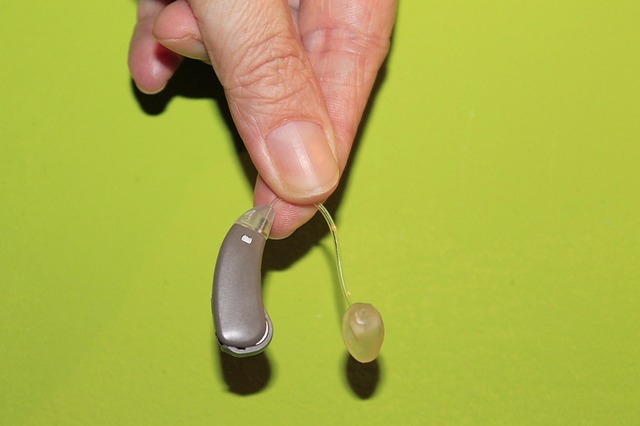
Regular hearing checkups allow for fine-tuning of hearing aids or the exploration of new technologies that better suit the patient’s evolving needs. This might involve upgrading to devices with improved noise reduction, better Bluetooth connectivity, or rechargeable batteries for convenience.
Encouraging Long-Term Protective Habits
Hearing specialists don’t just test your hearing; they provide education on protecting it. Through regular visits, patients learn to adopt habits such as wearing ear protection in noisy environments, controlling volume levels when using headphones, and avoiding prolonged exposure to loud sounds.
This awareness can make a significant difference in preventing further hearing loss, particularly for younger individuals or those who work in noisy industries. The earlier these habits are adopted, the better the long-term outcome.
The Financial Advantage of Early Management
Neglecting hearing care often leads to more expensive solutions down the line. Severe hearing loss can require more advanced and costly technology to manage, while untreated hearing problems may contribute to medical expenses related to accidents, falls, or cognitive decline.
By detecting and managing hearing changes early, patients can often use less complex and more affordable devices while maintaining a higher level of natural hearing ability. Many insurance plans cover routine screenings, making regular checkups a cost-effective part of preventive healthcare.
Hearing health should be approached with the same seriousness as vision care, dental checkups, and annual physicals. Regular assessments preserve your ability to hear and help maintain mental sharpness, emotional stability, and social engagement.
By committing to ongoing hearing care, you take a proactive step toward protecting both your physical and cognitive well-being, ensuring that you can continue to enjoy life’s conversations, sounds, and moments without compromise.
