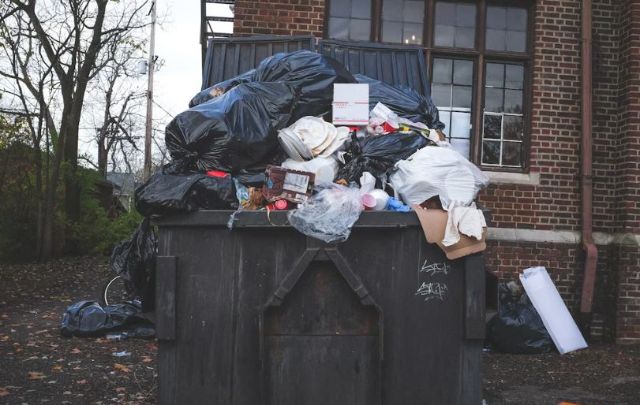
When it comes to planning a home project, waste management is one of the most overlooked yet essential aspects. From small-scale cleanouts to full-scale renovations, the type and size of dumpster you choose can make a big difference in the smoothness of your project. Selecting the right residential dumpster size ensures that you can dispose of debris efficiently without overspending on space you don’t need or underestimating the volume of waste your project will produce. We will explore the important factors that go into choosing the proper dumpster size so that you can keep your project organized and cost-effective.
Key Considerations for Selecting the Right Dumpster Size
- Assessing the Scale of Your Project
Every project has a different waste output, and understanding the scope of your work is the foundation for picking the right dumpster. A simple garage cleanout may produce a few cubic yards of trash, while a kitchen renovation or flooring replacement could generate far more. The scale dictates not just the size of the container but also the weight limit you may need to accommodate. Underestimating the size can lead to overfilling, which might incur extra charges, while overestimating may result in paying for unused space. If you are unsure about what fits your needs, you can always check this service for guidance on appropriate dumpster sizing. Think about whether your project involves clearing bulky items, construction debris, or household clutter, as each type of waste can impact the required capacity. Being honest about your project’s scale helps you choose wisely and avoid complications during disposal.
- Understanding Dumpster Size Measurements
Dumpster sizes are typically measured in cubic yards, and this number reflects the amount of material they can hold. Residential options usually range from 10-yard dumpsters for smaller tasks to 40-yard dumpsters for larger construction projects. To visualize this, a 10-yard dumpster might hold the equivalent of three pickup truck loads, while a 20-yard option could accommodate closer to six loads. Knowing these measurements allows you to connect the scale of your project with the appropriate container size. It is important to remember that weight restrictions also apply, meaning a smaller dumpster filled with dense material like concrete could reach its weight capacity faster than a larger one filled with lighter debris. By understanding both volume and weight considerations, you can make an informed decision that prevents overages or the hassle of renting an additional container.
- Considering the Type of Waste You’ll Dispose Of
Not all waste is created equal, and the materials you plan to dispose of play a significant role in selecting a dumpster. For instance, if you’re dealing with heavy debris like concrete, roofing shingles, or soil, you might not need a huge dumpster, but you will need one capable of handling weight efficiently. Conversely, if your project involves bulky but lightweight materials like furniture or large amounts of cardboard, a larger container may be more suitable. Some waste may also have restrictions, so knowing what materials are permitted is crucial before making a final choice. This consideration helps you avoid overloading the container or facing issues with disposal restrictions. Matching the type of waste with the correct dumpster size ensures that your project runs smoothly and stays compliant with regulations while minimizing unnecessary costs.
- Evaluating Available Space on Your Property
The size of the dumpster you select must also align with the physical space available for placement. While you may want a larger container for convenience, your driveway or yard might not accommodate it. For example, a 40-yard dumpster requires more room than a 10-yard option, and tight residential areas may limit accessibility. Placement matters not only for fitting the container but also for ensuring easy loading. If space is limited, multiple smaller dumpsters may be more practical than one oversized container. Additionally, considering the logistics of delivery and pickup is vital, as the rental company will need space to maneuver the dumpster truck. By evaluating your property layout before choosing a size, you can avoid disruptions and ensure that the dumpster serves its purpose without creating obstacles or hazards.
- Balancing Budget and Efficiency
Cost is always a factor when renting a dumpster, and selecting the right size helps you strike a balance between affordability and convenience. A container that is too small may require additional rentals, increasing your total expenses, while one that is unnecessarily large might leave you paying for unused capacity. The key is to align your needs with your budget by considering both the scale of your project and the type of waste. Many rental companies offer guidance to help customers choose wisely, but understanding your own requirements gives you greater control. Think of the dumpster as an investment in efficiency: the right size allows you to dispose of everything in one go without wasting money on excess space or incurring penalties for overloading. Budget-conscious planning ensures you get the most value out of your rental.
Selecting the right residential dumpster size requires careful consideration of multiple factors, from the scale of your project to the type of waste you’ll generate and the available space on your property. By understanding size measurements, anticipating potential waste volume, and aligning your choice with your timeline and budget, you create an efficient and cost-effective solution for disposal. Planning ahead prevents issues such as overfilling, unexpected fees, or running out of capacity midway through the project. Ultimately, the right dumpster size simplifies waste management, reduces stress, and helps you complete your project with confidence and efficiency.
