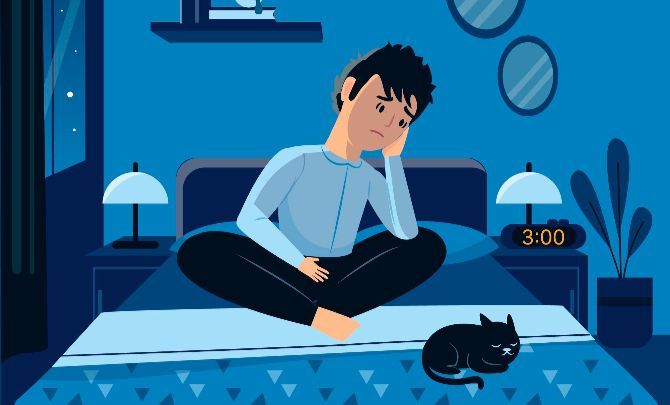
Waking up in the middle of the night, heart racing, mind spinning with worries that won’t quit. That’s the harsh reality for many folks trying to stop gabapentin. This drug, sold as Neurontin or Gralise, helps with epilepsy and nerve pain. But after long-term use, your body gets used to it. Quitting can spark tough withdrawal symptoms. Anxiety hits hard, like a storm in your brain. Insomnia makes rest a distant dream. You don’t have to face this alone. Smart coping strategies can ease the ride. Let’s break down how to manage gabapentin withdrawal anxiety and insomnia step by step.
The Physiology of Gabapentin Withdrawal
Understanding Gabapentin’s Mechanism of Action and Dependence
Gabapentin calms brain activity by tweaking calcium channels. It boosts GABA, a chemical that chills out nerves. The full way it works stays a bit of a puzzle to experts. But one thing’s clear: steady use changes how your central nervous system reacts. Over time, your brain craves the drug to stay balanced. Stop too fast, and chaos follows. This shift leads to dependence, where your body needs it just to feel normal.
Identifying Withdrawal Syndrome: Symptoms Beyond Anxiety
Gabapentin Withdrawal symptoms: Withdrawal from gabapentin packs a punch. You might sweat a lot or shake. Nausea and headaches join the party. But anxiety and insomnia steal the show. Anxiety can range from nagging worry to full-blown panic attacks. Your chest tightens, breaths get short. Insomnia means tossing and turning, or waking up every hour. Vivid dreams or nightmares add to the mess. Other signs include irritability, sweating, and even confusion in bad cases. These hit because your brain scrambles to adjust without the drug.
Timeline and Severity Factors in Withdrawal
Symptoms often start a day or two after your last dose. They peak around day three to five for most people. Things can drag on for weeks, sometimes months. High doses make it worse. Long use builds deeper dependence. Tapering slowly cuts the edge off. Studies show about 20% of users face tough withdrawal if they quit cold turkey. Your health and other meds play a role too. Always check with a doctor to gauge your risk.
Immediate and Proactive Management of Withdrawal Anxiety
Implementing a Medically Guided Tapering Schedule
Never taper gabapentin on your own. A doctor crafts a plan that fits you. They might cut your dose by 100 to 300 mg each week. Slow and steady wins here. This method eases your body’s adjustment. Rushing leads to bigger anxiety spikes. Track your doses in a journal. Share any changes with your doc right away. Patience pays off in smoother sailing.
Pharmacological Adjuncts for Anxiety Relief (Under Medical Direction)
Doctors may add short-term helpers for anxiety during taper. Think hydroxyzine, an antihistamine that calms without big addiction risk. Or low-dose buspirone to steady nerves. Skip benzos; they add dependence worries. These tools bridge the gap, not replace gabapentin. Always get a prescription. Watch for side effects like drowsiness. Your doc weighs benefits against risks.
Cognitive Behavioral Techniques (CBT) for Acute Anxiety Spikes
CBT gives you tools to fight back against panic. Try deep breathing: Inhale slow for four counts, hold, exhale for six. This tricks your body into calm. Ground yourself with the 5-4-3-2-1 trick. Name five things you see, four you touch, three you hear, two you smell, one you taste. It pulls you from worry loops. Challenge thoughts too. Ask, “Is this fear real or just withdrawal talking?” Practice daily. These steps build strength over time.
- Breathing exercise: Sit quiet. Breathe in through nose. Out through mouth. Repeat ten times.
- Grounding method: Use senses to anchor now. Skip the what-ifs.
- Thought check: Write worries. Flip them to facts.
Restoring Healthy Sleep Patterns During Withdrawal Insomnia
Optimizing Sleep Hygiene: The Foundation of Recovery
Good sleep habits rebuild your rest. Stick to the same bedtime and wake-up, even weekends. Aim for seven to nine hours. Keep your room cool, dark, and quiet. Blackout curtains help. No screens an hour before bed; blue light messes with melatonin. Wind down with a book or soft music. These basics fight insomnia head-on.
Natural and Herbal Supports for Sleep Onset and Maintenance
Some supplements ease into sleep without drama. Magnesium glycinate relaxes muscles and mind. Take 200 to 400 mg before bed. L-theanine, from green tea, calms without drowsiness. Pair it with a bit of caffeine earlier in the day if needed. Valerian root acts like a mild sedative for some. But talk to your doctor first. They check for clashes with other meds. Start low to test tolerance.
- Magnesium: Helps nerve calm. Found in nuts too.
- L-theanine: Boosts relaxation. Safe for most.
- Valerian: Herbal sleep aid. Use short-term.
The Role of Relaxation Techniques Before Bedtime
Relaxation melts tension for better sleep. Progressive muscle relaxation works great. Tense your toes for five seconds, then release. Move up to legs, belly, arms, face. Feel the let-go each time. Or try a body scan meditation. Lie down, focus breath, notice each body part from head to toe. Apps offer free guides. Do this 20 minutes pre-bed. It quiets the racing mind from withdrawal.
Lifestyle Adjustments to Support CNS Recovery
Nutritional Support for Neurotransmitter Balance
Food fuels your brain’s comeback. Eat balanced meals to keep blood sugar steady. That cuts anxiety swings. Load up on B vitamins from eggs, greens, and whole grains. They aid GABA production. Omega-3s in fish or flaxseeds boost serotonin for mood lift. Skip sugar crashes; they amp worry. Hydrate well too. Water supports nerve health. A simple diet tweak aids withdrawal big time.
Strategic Physical Activity Scheduling
Move your body smart to aid recovery. Gentle walks in the morning clear fog. Yoga poses like child’s pose soothe evening jitters. Save intense workouts for midday. They energize, not rev up for night. Aim for 30 minutes most days. Exercise releases endorphins that fight anxiety. But listen to your body. Rest if fatigue hits hard.
Building a Robust Social and Emotional Support System
Withdrawal can feel lonely. Reach out to friends or family. Share how you feel; it lightens the load. Join online groups for gabapentin taper stories. Sites like Reddit have forums full of tips. Therapy sessions help unpack emotions. A counselor trained in addiction supports mindset shifts. Lean on loved ones for check-ins. Strong ties speed healing.
- Talk it out: Call a buddy weekly.
- Group join: Find taper communities online.
- Pro help: Book a therapist slot.
Conclusion: Sustaining Progress and Reclaiming Stability
Gabapentin withdrawal brings anxiety and insomnia, but you can handle it. Medical tapering sets the base. CBT and relaxation tackle spikes. Sleep hygiene and nutrition rebuild rest and calm. Lifestyle tweaks like exercise and support networks seal the deal. These steps turn tough days into progress. Remember, symptoms fade with time and effort. Consult your doctor for a custom plan. Start one strategy today. You’ll reclaim steady sleep and peace soon. You’ve got this—keep going.
