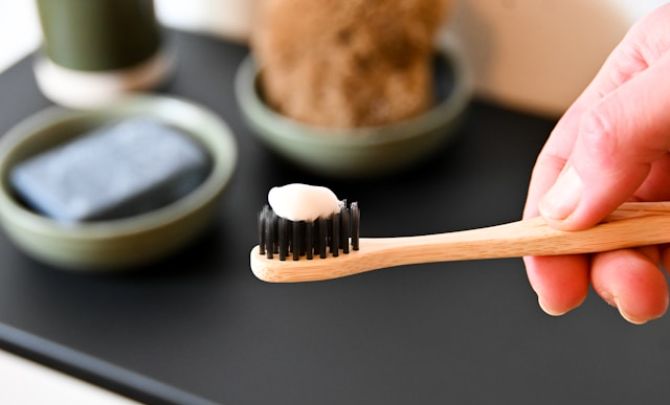
Every morning and night, millions of people squeeze a dollop of toothpaste onto their brush and go about their routine without a second thought. The act feels automatic, like tying your shoes or turning off a light switch. But what if that daily habit, repeated thousands of times over the years, isn’t quite as harmless as it seems? Toothpaste is more than a minty gel that freshens breath. It’s a carefully crafted formula that interacts with your mouth, your teeth, and your overall health. Making a conscious choice about which toothpaste to use isn’t just about brand preference or flavor; it’s about long-term wellness.
Cavity Prevention Begins with Ingredient Awareness
Tooth decay doesn’t happen overnight. It begins as a slow process, starting with the breakdown of minerals in your enamel. Diet, brushing technique, and frequency all play a role, but your choice of toothpaste can accelerate or slow that process. The key lies in what’s inside the tube. Many traditional toothpastes rely on fluoride as their primary defense against cavities. While fluoride has a long-standing history of use, it’s not the only effective option. A growing number of people are beginning to look for alternatives that support enamel health without relying solely on fluoride. That’s where toothpaste like BetterBiom offers a different approach. In the middle of the conversation around oral care innovation, this kind of product focuses on maintaining the natural balance of the mouth’s microbiome, an important factor in preventing cavities. A healthy microbiome acts like a natural line of defense, keeping harmful bacteria in check before they have a chance to wear down enamel.
Whitening Toothpastes Aren’t Always Worth the Trade-Off
Everyone wants a brighter smile. Whitening toothpastes promise quick results and dazzling teeth, but they often come at a cost. The majority of whitening formulas rely on abrasive ingredients to scrub away surface stains. These abrasives don’t differentiate between a coffee stain and your enamel. Over time, repeated use can erode the protective layer of your teeth, leading to increased sensitivity and long-term damage.
Peroxide-based whiteners, another common ingredient, can irritate gums and inner cheeks with prolonged use. While the marketing often focuses on the cosmetic benefits, the potential drawbacks rarely appear on the label. People may begin using these pastes with the best of intentions, not realizing that the side effects could outweigh the benefits.
There are gentler ways to maintain a naturally bright smile. Toothpastes that use mineral-rich compounds can strengthen enamel while gradually reducing stains. Some brands incorporate mild polishing agents derived from natural sources that clean without scratching. Regular brushing, a balanced diet, and occasional professional cleanings often do more for long-term whiteness than any over-the-counter paste claiming to transform your smile overnight.
Sensitive Teeth Deserve More Than a Temporary Fix
Tooth sensitivity can turn everyday activities, like sipping hot coffee or biting into ice cream, into painful moments. Many people turn to desensitizing toothpaste, which often contains ingredients like potassium nitrate or stannous fluoride designed to block pain signals. While these can bring relief, they don’t always address the cause.
Sensitivity often stems from enamel thinning or gum recession, which exposes the more vulnerable layers of the tooth. Using toothpaste that only numbs the nerve endings is a temporary solution. It’s better to look for products that also promote enamel repair and gum health, aiming to rebuild rather than just mask the problem.
Children’s Toothpaste Isn’t Just a Milder Version
Many parents assume that all kids’ toothpastes are the same, just milder and fruit-flavored. That’s not always the case. Children’s oral health needs are different from adults’, and the right toothpaste should reflect that. Ingredients that may be safe for adult use in small doses could pose risks to young children who are more likely to swallow toothpaste during brushing.
Fluoride, while effective in small amounts, carries the risk of fluorosis in children if swallowed frequently. Some natural brands offer fluoride-free alternatives designed to still support enamel strength and cavity prevention without the risks. But there’s more to it than just fluoride content. Texture, foaming agents, sweeteners, and preservatives all affect how suitable a toothpaste is for kids.
Sustainability Isn’t Separate from Oral Health
Toothpaste choice affects more than just your mouth. It plays a part in environmental impact, from the sourcing of ingredients to the materials used in packaging. Many mainstream brands use plastic tubes that are difficult or impossible to recycle, contributing to long-term waste. The manufacturing process for some ingredients also involves chemical runoff that can pollute waterways and soil.
Some newer toothpaste brands prioritize biodegradable packaging, refillable containers, or tablet formats that reduce plastic use altogether. Looking into how a toothpaste is produced, where ingredients are sourced, how they’re processed, and what kind of emissions are involved can reveal a lot about a company’s values.
Toothpaste sits quietly on bathroom shelves across the world, often unnoticed, seldom questioned. Yet, its impact reaches far beyond the two minutes you spend brushing. There’s no universal best brand or one-size-fits-all formula. Each person’s needs are slightly different, shaped by age, diet, lifestyle, and overall health. But there’s one truth that applies across the board: brushing your teeth isn’t just a habit. It’s a choice that deserves care.
