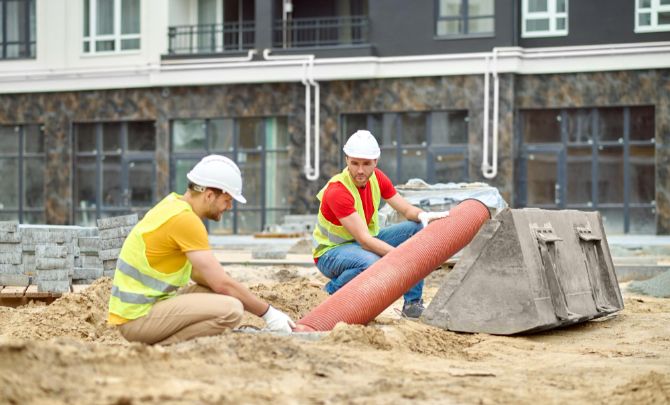
Sewer line replacement is one of the most important maintenance tasks a homeowner can face. The cost can vary widely, and understanding the factors involved helps you plan your budget and avoid surprises. From material choice to excavation needs, several elements influence the total price of replacing a sewer line. Knowing these factors allows homeowners to make informed decisions and ensure the work is done efficiently and safely.
Partnering With Trusted Professionals
Working with experienced professionals ensures the job is done correctly and safely. Reliable contractors understand local codes, know how to handle unexpected challenges, and provide accurate estimates. Homeowners benefit from guidance throughout the process, from assessing the current system to completing the replacement. Trusted service providers can also suggest solutions that save time and money. For residents in Indianapolis, working with reputable plumbers Indianapolis ensures expertise and quality workmanship, giving peace of mind that the project is in capable hands.
Age and Condition of the Sewer Line
One of the most significant factors affecting replacement cost is the age and condition of the sewer line. Older pipes are more prone to corrosion, cracks, and blockages. Pipes made from clay, cast iron, or early PVC can deteriorate over time, making them more expensive to replace. Inspecting the current system with a camera allows contractors to identify problem areas and plan the replacement accordingly. Older or damaged pipes may require more labor and materials, which can increase overall costs.
Pipe Material
The material used for the new sewer line impacts both cost and longevity. Common materials include PVC, ABS, cast iron, and copper. PVC is popular for its durability, flexibility, and affordability. Cast iron is strong but more expensive and harder to work with. Copper is highly durable but costs significantly more. The choice of material affects the installation process, long-term maintenance, and overall replacement cost. Contractors can advise on the best option for your specific situation and budget.
Length and Depth of the Line
The length and depth of the sewer line also play a major role in cost. Longer lines require more pipe and labor, while deeper lines require more excavation and safety measures. If the sewer line runs under landscaping, driveways, or other structures, removing and replacing these areas adds to the expense. Proper planning and assessment of the site help determine the exact requirements for the project. Understanding the scope of excavation helps homeowners anticipate the total cost.
Accessibility and Excavation Requirements
Accessibility is another factor that influences sewer line replacement cost. If the line is buried under concrete, driveways, or trees, removal and restoration work increase labor and materials costs. Trenchless technology can reduce surface disruption, but it may have higher upfront costs. Easier access typically lowers the total expense, while difficult conditions increase it. Contractors assess the site and provide recommendations on the most efficient and cost-effective approach.
Local Labor and Permits
Local labor rates and permit requirements also affect the overall price. Municipalities may require permits, inspections, and compliance with specific codes. Labor costs vary depending on the region, complexity of the project, and contractor experience. Obtaining necessary permits and scheduling inspections are essential steps in avoiding fines or complications. Factoring these costs into your budget ensures a smooth and legal replacement process.
Potential Obstacles and Repairs
Unexpected obstacles can increase replacement costs. Root intrusion, soil instability, or previously unknown damage may require additional work. Homeowners should be prepared for potential repairs discovered during excavation or inspection. Contractors often include contingency allowances in estimates to cover unforeseen issues. Being aware of these possibilities helps homeowners plan for financial flexibility and avoid surprises during the project.
Landscaping and Restoration Costs
Replacing a sewer line often involves restoring landscaping, driveways, and hardscaping. Replanting grass, replacing trees, or repairing concrete driveways adds to the total cost. Careful planning and coordination with contractors minimize disruption and ensure the community and property remain attractive. Factoring in restoration costs helps homeowners budget accurately and ensures a professional finish once the work is completed.
Preventative Maintenance and Planning
Preventative maintenance can reduce the likelihood of emergency replacements and lower long-term costs. Regular inspections, drain cleaning, and monitoring for leaks or blockages help extend the life of sewer lines. Planning a replacement when minor issues appear, rather than waiting for a major failure, can reduce expenses. Homeowners who stay proactive save money, avoid damage to property, and maintain the integrity of their sewer system.
Conclusion
Several factors influence the cost of sewer line replacement, including pipe age, material, line length, depth, and accessibility. Local labor, permits, obstacles, and landscaping restoration also play a role. Working with experienced professionals, such as trusted plumbers Indianapolis, ensures accurate estimates, safe installation, and long-term reliability. Understanding these factors helps homeowners plan, budget, and maintain their sewer systems effectively. Proper preparation and professional guidance create peace of mind and ensure the community’s infrastructure remains strong for years to come.
