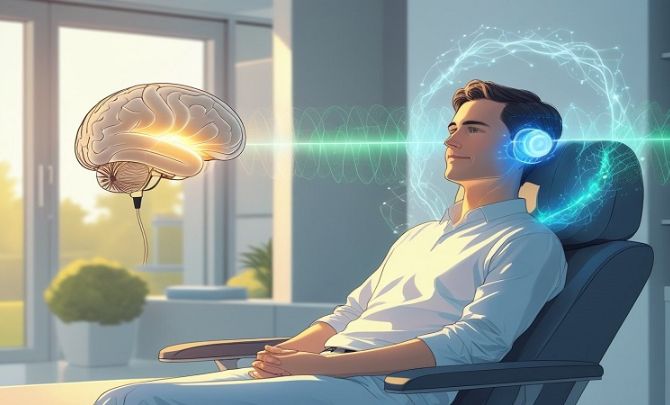
Mental health treatment has entered a new era with the development of transcranial magnetic stimulation, a non-invasive therapy that uses magnetic fields to stimulate specific brain regions associated with mood regulation. This FDA-approved treatment offers hope for individuals who have struggled with traditional approaches like medication and psychotherapy alone.
TMS therapy works by delivering targeted magnetic pulses through a coil placed on the head, effectively resetting neural pathways that contribute to depression and other mental health conditions. The procedure requires no sedation, produces no systemic side effects like medications, and allows patients to resume normal activities immediately after each session.
Understanding how this innovative therapy compares to other brain stimulation treatments reveals why mental health professionals increasingly view TMS as a cornerstone of modern psychiatric care. The science behind magnetic stimulation demonstrates how targeted intervention can create lasting changes in brain function, offering new possibilities for patients who previously had limited treatment options.
How TMS Therapy Is Transforming Mental Health Treatment
Transcranial magnetic stimulation utilizes targeted magnetic fields to modulate brain activity in regions associated with mood regulation. This FDA-approved treatment offers a non-invasive alternative for patients who have not responded to traditional therapies, particularly in major depression, OCD, and PTSD.
Mechanisms of Transcranial Magnetic Stimulation
TMS employs electromagnetic coils positioned against the scalp to generate focused magnetic pulses. These pulses penetrate approximately 2-3 centimeters into brain tissue without requiring anesthesia or sedation.
The magnetic fields induce localized electrical currents in targeted brain regions. Repetitive transcranial magnetic stimulation (rTMS) delivers these pulses in specific patterns and frequencies to modify neural activity.
High-frequency stimulation typically increases neuronal activity in the treated area. Low-frequency protocols tend to decrease activity in overactive brain circuits. This targeted approach allows clinicians to either enhance or suppress specific neural pathways.
The treatment primarily targets the dorsolateral prefrontal cortex for depression. For OCD, practitioners often focus on the supplementary motor area or orbitofrontal cortex. Each condition requires specific coil placement and stimulation parameters.
Sessions last 20-40 minutes and occur daily over several weeks. The cumulative effect gradually rebalances neural circuits associated with mood disorders and other mental health conditions.
Advantages of TMS over Traditional Approaches
TMS therapy operates without systemic medication, eliminating concerns about drug interactions or metabolic side effects. Patients maintain normal cognitive function throughout treatment sessions and can resume daily activities immediately afterward.
Side effects remain minimal compared to antidepressants or other psychiatric medications. Most patients experience only mild scalp discomfort or temporary headaches. The treatment does not affect memory, concentration, or other cognitive abilities.
The precision of magnetic targeting allows clinicians to focus on specific brain circuits. This selectivity contrasts with medications that affect multiple neurotransmitter systems throughout the body.
Patients who cannot tolerate antidepressants due to medical conditions or adverse reactions often find TMS suitable. The therapy does not interfere with other medical treatments or medications patients may require for separate health conditions.
Applications in Treatment-Resistant Depression
Treatment-resistant depression affects patients who do not respond to at least two different antidepressant trials. Research demonstrates that up to 70% of these individuals experience significant symptom improvement with TMS therapy.
The FDA approved TMS specifically for major depression that has not responded to traditional treatments. Clinical trials consistently show response rates between 50-60% in this challenging patient population.
Many patients maintain therapeutic benefits for months or years following treatment completion. Some individuals require periodic maintenance sessions to sustain improvements, typically at reduced frequency compared to the initial treatment course.
The therapy proves particularly valuable for patients who have experienced intolerable side effects from multiple medications. These individuals often face limited treatment options before considering more invasive procedures like electroconvulsive therapy.
Expanding Use in OCD and PTSD
OCD treatment with TMS targets brain circuits involved in repetitive thoughts and compulsive behaviors. The FDA approved this application following clinical studies demonstrating significant symptom reduction in patients with obsessive-compulsive disorder.
Deep TMS protocols can reach deeper brain structures involved in OCD pathology. This enhanced targeting capability improves treatment outcomes for patients with severe or treatment-resistant symptoms.
PTSD applications remain under active investigation, with promising preliminary results. Research focuses on modulating hyperactive fear circuits and enhancing emotional regulation networks in trauma survivors.
Veterans Affairs medical centers and specialized trauma clinics increasingly incorporate TMS into comprehensive PTSD treatment programs. The therapy shows particular promise when combined with evidence-based psychotherapy approaches.
Comparing TMS with Other Brain Stimulation Therapies
TMS differs significantly from other brain stimulation treatments in terms of invasiveness, seizure induction, and side effect profiles. These treatments range from highly invasive surgical procedures to combination approaches that integrate multiple therapeutic modalities.
Electroconvulsive Therapy and Magnetic Seizure Therapy
Electroconvulsive therapy remains one of the most effective treatments for severe depression and psychosis. ECT requires general anesthesia and deliberately induces seizures through electrical stimulation.
The procedure carries substantial side effects including memory loss and cognitive impairment. Patients typically experience confusion and temporary memory problems lasting weeks to months.
Magnetic seizure therapy represents a newer approach that uses magnetic fields instead of electricity to trigger seizures. This method aims to reduce the cognitive side effects associated with ECT while maintaining therapeutic efficacy.
|
Treatment |
Anesthesia Required |
Memory Effects |
Success Rate |
|
TMS |
No |
Minimal |
50-60% |
|
ECT |
Yes |
Significant |
80-90% |
|
MST |
Yes |
Moderate |
60-70% |
TMS produces therapeutic benefits without inducing seizures or requiring anesthesia. The treatment allows patients to drive themselves home and return to normal activities immediately after sessions.
Deep Brain Stimulation in Mental Health Care
Deep brain stimulation involves surgical implantation of electrodes directly into specific brain regions. Surgeons place these devices in areas like the subcallosal cingulate or nucleus accumbens for treatment-resistant depression.
The procedure requires brain surgery under local anesthesia with real-time monitoring. Patients remain awake during electrode placement to ensure proper positioning and immediate testing of stimulation effects.
DBS complications include infection, bleeding, and device malfunction. The surgery carries risks of stroke, seizures, and personality changes that patients must carefully consider.
Long-term maintenance involves regular battery replacements and programming adjustments. The implanted system requires ongoing medical supervision and periodic surgical interventions.
TMS eliminates surgical risks while targeting similar brain networks through external magnetic stimulation. The non-invasive approach provides significant safety advantages over implanted devices.
Combining TMS with Psychotherapy and Medications
TMS integrates effectively with antidepressants and psychotherapy to enhance treatment outcomes. Many patients continue their existing medications throughout the TMS treatment course.
Research demonstrates that combining TMS with cognitive behavioral therapy produces superior results compared to either treatment alone. The brain stimulation appears to enhance neuroplasticity and therapeutic learning.
Antidepressant interactions with TMS remain generally safe and well-tolerated. Patients can maintain stable medication regimens while receiving magnetic stimulation treatments.
Psychotherapy sessions can begin immediately after TMS treatments within the same day. The combination approach addresses both neurobiological and psychological aspects of mental health conditions.
Some clinicians recommend starting psychotherapy concurrent with TMS to maximize the window of enhanced brain plasticity. This timing strategy helps patients develop coping skills during periods of increased neural adaptability.
