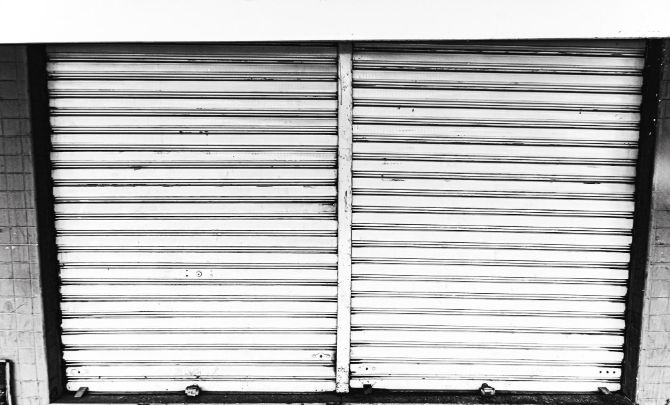
A garage door is one of the heaviest moving structures in any home, and its smooth operation relies heavily on the springs that balance and support its weight. While these springs may seem like small components, they play an essential role in ensuring safety and functionality every time the door opens or closes. When springs wear out or break, they can lead to dangerous situations that many homeowners might not anticipate. We will explore the risks associated with broken garage door springs, highlighting why awareness and timely action are critical to protecting both property and personal safety.
The Dangers Linked to Broken Garage Door Springs
1. Sudden and Uncontrolled Door Movement
When a garage door spring breaks, the balance of the entire system is disrupted. The door, which can weigh hundreds of pounds, is no longer supported evenly. This often results in the door slamming shut without warning, creating the risk of serious injury or damage. Imagine a situation where someone is walking underneath the door or a car is pulling in as the spring fails—what should have been a routine moment can suddenly turn dangerous. Even when the door does not crash completely, it may become uneven or jammed at an angle, further complicating attempts to move it safely. Many homeowners search for garage door repair in Longwood FL, when faced with this type of emergency, highlighting how common and hazardous the issue can be. The uncontrolled movement caused by a broken spring underscores the importance of recognizing early signs of wear before such situations occur. By taking proactive steps to maintain springs, homeowners reduce the likelihood of an accident that could have lifelong consequences.
2. Increased Strain on the Garage Door Opener
Garage door openers are designed to work in harmony with springs. When springs are intact, they carry much of the door’s weight, allowing the opener to guide the process smoothly. If a spring breaks, the opener is forced to bear the load almost entirely on its own, which it was never engineered to do. Over time, this extra strain can cause the motor to burn out, damage the gears, or lead to failure of the chain or belt system. Repairing or replacing an opener can be costly, especially if the issue could have been prevented by addressing the spring problem sooner. Many homeowners may not realize that a single broken spring can trigger a chain reaction of mechanical failures, ultimately leading to significantly higher expenses than initially expected. Understanding this risk highlights why addressing spring problems promptly saves both money and frustration in the long run.
3. Risk of Personal Injury During Handling
Some homeowners, seeking to save costs, may attempt to fix or replace broken springs on their own. However, garage door springs are tightly wound with immense tension, and when that energy is suddenly released, it can cause serious harm. Injuries can range from cuts and bruises to more severe outcomes like fractures or head trauma. Without the right tools and knowledge, even a simple adjustment can become dangerous. This is why handling broken springs requires caution and awareness of the potential risks. Even if a homeowner avoids direct injury, an improperly repaired spring can still fail quickly, re-exposing the same dangers. It is far safer to recognize the hazards involved and avoid attempting to manage these components without appropriate resources or guidance. In doing so, individuals can keep themselves and their families out of harm’s way.
4. Compromised Home Security
A garage door that does not function properly due to broken springs can also compromise home security. Since the springs no longer support the weight effectively, the door may not close completely, or it may be easily forced open. For many households, the garage connects directly to the main living space, making it a critical point of entry that must remain secure. A malfunctioning door can provide intruders with an easy opportunity to access the home. Furthermore, homeowners may not always notice the issue right away, leaving their property vulnerable for extended periods. Considering the vast amount of valuable equipment, vehicles, and personal items stored in garages, the consequences of this vulnerability can be significant. Recognizing broken springs as a security concern highlights the importance of timely maintenance, ensuring both peace of mind and safe operation.
5. Long-Term Structural Damage to the Door
Broken springs can have a lasting impact on the physical structure of the garage door itself. Without proper support, the weight of the door may cause the panels to bend, the hinges to loosen, or the tracks to warp. Over time, this structural damage makes the door increasingly difficult to operate, even after new springs are installed. In extreme cases, the damage may become irreversible, requiring a complete replacement of the door system. This outcome is not only expensive but also disruptive to everyday routines. A fully functioning door protects the home from weather, secures belongings, and provides convenient access. Allowing broken springs to remain unaddressed risks turning what could have been a relatively simple repair into a far more extensive project. Homeowners who stay attentive to the condition of their springs help preserve the longevity of the entire garage door system, saving both time and money.
Garage door springs may seem like minor components in a larger system, but their role is vital to both safety and convenience. When they break, the consequences ripple far beyond a simple mechanical failure, affecting personal safety, property security, and the long-term functionality of the entire garage door. Recognizing these dangers encourages homeowners to remain vigilant about maintenance and take prompt action when problems arise. By understanding the risks associated with broken springs, individuals can protect their families, safeguard their belongings, and maintain the reliability of one of the most crucial entrances to their homes.
