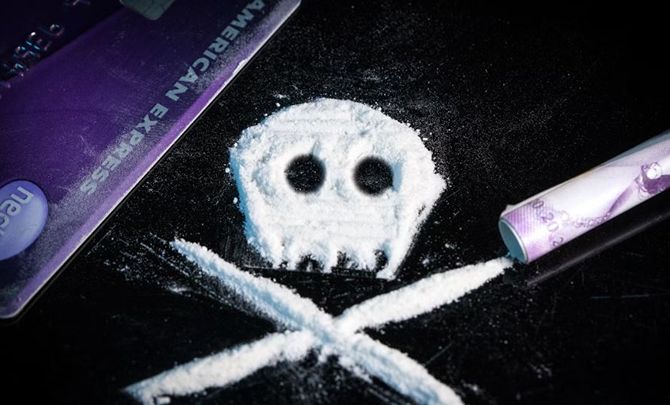
Drug Abuse Statistics states that about 1.16 million Americans are arrested each year for drug-related crimes. Penalties for drug trafficking and distribution can really bite, and they can also vary greatly between federal laws and state laws.
You can expect to face a number of penalties if you are found guilty of a drug crime, says Nashville drug crime lawyer Cesar Arbelaez. The heaviness of the punishment depends on the amount of drugs found on you at the time of the arrest.
It’s important to understand these laws, as many different things can affect how a living sentence is handed down. What may come as a surprise to you is that penalties impact not only the offenders but also communities in general.
Overview of Drug Trafficking and Distribution Laws
Drug trafficking and distribution laws vary from state to state and are also existent under federal jurisdiction, constituting a vast range of regulations concerning the forging of illegal substances. Drug trafficking activities are often associated with large-scale operations, whereas distribution would be small-scale selling or delivery.
Both of these laws lead to larger and serious implications affecting not only the common individual but also the community at large.
Federal Penalties for Drug Trafficking
Federal penalties for drug trafficking are very serious, which shows how the federal government is dead set against the illegal drug trade. Depending on the quantity and class of drugs being sold, trafficked, transferred, or distributed, one could be jailed anytime between five years and life imprisonment. Fines of millions of dollars may also be imposed. Having a criminal record will follow you around and affect your employment or even social life. If you get involved even a little bit in illegal activities, seeking help or guidance may just be a major undertaking to keep you from having a regretful and difficult life down the road.
State-Level Penalties for Drug Distribution
While federal laws provide for harsh penalties for trafficking in drugs, state laws may impose even more serious punishments for distributing drugs.
North Carolina’s Controlled Substances Act had strict rules. If you’re asking how much cocaine is charged with a felony in NC, you’re already talking about one of the worst drug crimes in the state. Even possession of 28 or more grams of cocaine is considered a grave felony offense in the state.
The way penalties are carried out is different per state. Depending on whether you are caught with a particular amount or a particular kind of drug, you might be given a heavy fine, a long jail term, or both.
Some states consider even a petty amount as grounds for a felony charge that could hamper your opportunities later on. Repeat offenders usually get the worst kind of treatment from the law.
Find out exactly what your state laws say so that you might strategize your defense using them, because once circumstances and choices intervene, nothing is really set in stone. Likewise, consider teaming up with local organizations and other affected parties, as it can assist in handling the hardships and provide a sense of belonging through difficult times.
Factors Influencing Sentencing Outcomes
The seriousness of the charges, the person who is involved, the amount of drugs, and prior convictions are all heavily weighted factors in sentencing. They also look at particular roles and consider whether you were a minor player or a principal distributor.
They may take mitigating circumstances into account, including your background and your intent, and they may consider putting aside some punishment for you. The opposite, however, would be cooperation with the authorities or a statement of remorse by the defendant.
Impacts of Penalties on Addiction and Rehabilitation
When penalties for drug trafficking and distribution are imposed, they can carry implications on the path to the recovery of an addict and their rehabilitation. Harsh sentences may very well exacerbate an addict’ addiction, thereby destroying the notion of going back. It may seem that they are being isolated and judged or are being considered that way; however, such thoughts actually sometimes block a person’s recovery.
On the other hand, more lenient penalties or diversion programs could provide a feeling of belonging that motivates one to enter treatment and support networks. In this way, such alternatives can heal and bring people together and heal so that recovery is in sight.
Ultimately, the way we deal with punishment will either make it impossible to get out of the spiral of addiction or help to revive hope so that one can actually make a life and find a community to stand with once again.
