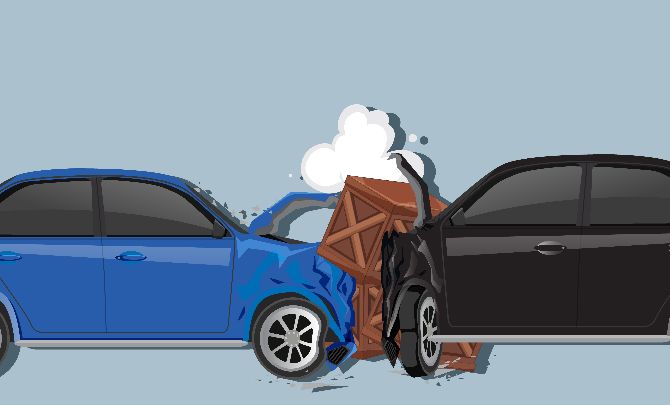
Getting into a car accident can leave you shaken and unsure of what to do next. Between checking for injuries, exchanging information, and dealing with damaged vehicles, the last thing you want to think about is paperwork. But understanding how insurance claims work can save you time, money, and a lot of stress down the road.
What to Do Immediately After an Accident
Your actions in the first few minutes after a crash can significantly impact your insurance claim. Here’s what you should prioritize:
Check for Injuries and Call 911
Safety comes first. Check yourself and your passengers for injuries, then assess whether anyone in the other vehicle needs help. If anyone is hurt or the accident is serious, call 911 immediately. Even if injuries seem minor, it’s wise to have emergency responders document the scene.
Move to Safety
If possible and safe to do so, move your vehicle out of traffic to prevent further accidents. Turn on your hazard lights and use cones or warning triangles if you have them.
Exchange Information
Collect the following details from all drivers involved:
- Full names and contact information
- Insurance company names and policy numbers
- Driver’s license numbers
- License plate numbers
- Make, model, and color of all vehicles
Remain calm and courteous during this exchange. Avoid admitting fault or making statements about what happened—even if you think you’re to blame. Let the insurance companies and police determine fault based on the evidence.
Document Everything
Use your phone to take photos and videos of:
- All vehicle damage from multiple angles
- The accident scene, including road conditions and traffic signs
- Skid marks or debris
- Visible injuries
- License plates of all vehicles involved
If there are witnesses, ask for their contact information and a brief statement about what they saw.
File a Police Report
Even for minor accidents, filing a police report creates an official record of the incident. Some insurance companies require it, and it can be crucial if there’s a dispute about what happened later. If police don’t come to the scene, you can often file a report at your local station within a few days.
How to File an Insurance Claim
Once you’ve handled the immediate aftermath, it’s time to notify your insurance company and start the claims process.
Contact Your Insurance Company Promptly
Most insurers require you to report accidents within a specific timeframe—often 24 to 72 hours. Call your insurance company’s claims hotline as soon as possible. Have your policy number, the accident details, and the other driver’s information ready.
Your insurer will assign you a claims adjuster who will guide you through the next steps. Write down their name and contact information for future reference.
Provide Accurate Information
When speaking with your adjuster, stick to the facts. Describe what happened clearly and honestly, but avoid speculation or unnecessary details. Share the documentation you collected at the scene, including photos and the police report number.
Understand Your Coverage
Your claim process depends on the type of coverage you have:
Liability Coverage: If you’re at fault, your liability insurance covers damage to the other driver’s vehicle and their medical expenses.
Collision Coverage: This covers damage to your own vehicle, regardless of who’s at fault (though you’ll pay a deductible).
Comprehensive Coverage: This covers damage from non-collision events like theft, vandalism, or natural disasters.
Uninsured/Underinsured Motorist Coverage: If the other driver doesn’t have insurance or enough coverage, this protects you.
Get Vehicle Estimates
Your insurance company will likely recommend repair shops or send an adjuster to assess the damage. You have the right to get estimates from multiple shops and choose where your vehicle gets repaired. Just make sure the shop is approved by your insurer to avoid payment issues.
Keep Records
Document every conversation with your insurance company. Note the date, time, who you spoke with, and what was discussed. Save all emails, letters, and text messages related to your claim. This paper trail can be invaluable if problems arise.
Common Challenges and How to Address Them
Insurance claims don’t always go smoothly. Here are some obstacles you might face and how to handle them:
Disputes About Fault
Sometimes both drivers claim the other was responsible. Insurance companies investigate by reviewing police reports, witness statements, photos, and sometimes accident reconstruction experts. If your insurer denies your claim or assigns you more fault than you believe you deserve, you can:
- Provide additional evidence like dashcam footage or witness statements
- Request a second opinion from another adjuster
- File an appeal with your insurance company
- Consult car accident lawyers in Salt Lake City or your local area if negotiations stall
Lowball Settlement Offers
Insurers sometimes offer less than your damages are worth. Don’t feel pressured to accept the first offer. You can negotiate by:
- Getting independent repair estimates
- Documenting all expenses related to the accident
- Providing evidence of your vehicle’s pre-accident value
- Clearly explaining why the offer is insufficient
Delays in Processing
Claims can drag on for weeks or months, especially if there are complications. To keep things moving:
- Respond promptly to all requests for information
- Follow up regularly with your adjuster
- Escalate to a supervisor if you’re not getting answers
- Keep your own timeline of events and deadlines
Claim Denials
Your claim might be denied if your insurer believes you weren’t covered, didn’t report the accident on time, or provided inaccurate information. If this happens:
- Request a detailed explanation in writing
- Review your policy to understand your coverage
- Gather evidence to support your claim
- File an appeal or complaint with your state’s insurance department
Protecting Yourself for the Future
After your claim is settled, take steps to prevent similar issues next time:
Review Your Coverage: Make sure your policy limits are adequate. If you have an older vehicle, you might drop collision coverage to save money. If you have significant assets, consider increasing your liability limits.
Keep Your Policy Current: Update your insurer about changes like a new address, vehicle modifications, or additional drivers.
Maintain Good Documentation: Keep copies of your insurance cards, policy documents, and any correspondence in your vehicle and at home.
Consider Dashcam Installation: A dashcam provides objective evidence of what happened, which can be invaluable for disputed claims.
Conclusion
Dealing with insurance claims after an accident doesn’t have to be overwhelming. By taking the right steps immediately after a collision, documenting everything thoroughly, and understanding how the claims process works, you’ll put yourself in the strongest position to get fair compensation.
