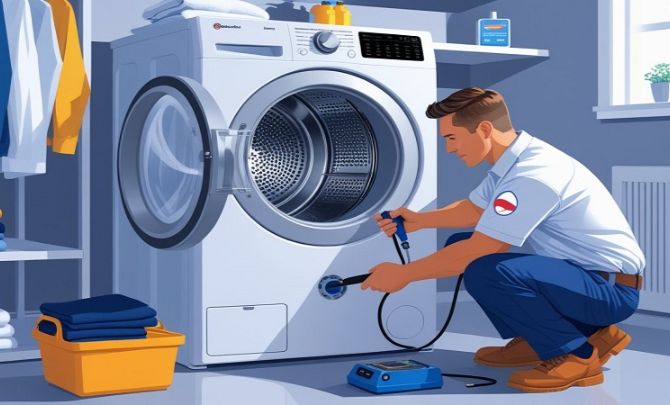
When a dryer runs but produces no heat, the culprit is usually one of several common issues that range from simple fixes to more complex repairs. Most dryer heating problems stem from clogged vents, blown thermal fuses, faulty heating elements, or electrical issues that prevent the appliance from reaching proper operating temperature.
The frustration of pulling damp clothes from a dryer that has completed its cycle affects countless homeowners, but understanding the root causes can help determine whether the problem requires a quick DIY solution or professional intervention. Electric dryers need proper voltage to power both the motor and heating element, while gas dryers depend on functional igniters and gas valves to generate heat.
Cincinnati residents facing persistent dryer heating issues can benefit from knowing when to attempt basic troubleshooting and when to contact qualified repair professionals. Proper maintenance and understanding airflow requirements help prevent many heating problems, but some repairs require specialized knowledge and tools to ensure safe and effective solutions.
Common Causes Of A Dryer Not Heating
Dryer heating problems typically stem from four main mechanical and electrical issues. Thermal fuses blow to protect against overheating, heating elements burn out in electric models, gas igniters fail in gas units, and circuit breakers trip due to electrical overloads.
Blown Thermal Fuse And How It Affects Heating
The thermal fuse serves as a critical safety component that prevents dryer overheating. When temperatures exceed safe operating limits, this fuse cuts power to the heating system.
A blown thermal fuse completely stops heat production while allowing the drum to continue spinning. This creates the symptom of clothes tumbling but never drying.
Common causes of thermal fuse failure include:
- Restricted airflow from clogged vents
- Blocked lint screens
- Overloaded dryer drums
- Faulty thermostats
The thermal fuse cannot be reset and requires complete replacement. Most fuses cost between $10-20 and mount near the blower housing.
Testing requires a multimeter to check for electrical continuity. A blown fuse shows infinite resistance, while a functioning fuse reads near zero ohms.
Faulty Heating Element In Electric Dryers
Electric dryers rely on heating elements to generate the hot air needed for drying. These metal coils heat up when electrical current passes through them.
Heating elements fail when individual coils burn out or break. Partial failures may produce some heat but insufficient temperatures for proper drying.
Visual inspection often reveals obvious damage like broken or sagging coils. Complete element failure results in no heat production whatsoever.
Signs of a faulty heating element:
- No heat during any cycle
- Inconsistent heating patterns
- Visible breaks in coil structure
- Burnt smell during operation
Replacement heating elements typically cost $25-75 depending on the dryer model. Installation requires disconnecting power and removing the rear panel or front access door.
Testing involves checking resistance across element terminals. Normal readings range from 10-50 ohms, while broken elements show infinite resistance.
Issues With Gas Igniter and Gas Valve in Gas Dryers
Gas dryers depend on precise coordination between the gas igniter and gas valve to create heat. The igniter must reach sufficient temperature to safely open the gas valve.
A failing gas igniter may glow but lack enough heat to trigger the gas valve. This results in no flame and no heating despite apparent igniter operation.
Gas valve problems prevent fuel delivery even when the igniter functions correctly. Defective valve solenoids fail to open when signaled by the control system.
Typical gas igniter symptoms:
- Glows weakly or not at all
- Takes excessive time to heat up
- Cycles on and off repeatedly
- Cracks or visible damage
Igniters typically last 2-5 years with normal use. Replacement costs range from $20-50 for the part.
Gas valve issues require professional diagnosis and repair due to safety concerns with natural gas connections.
Power Supply And Circuit Breaker Problems
Electric dryers require 240-volt power supply for proper heating element operation. Circuit breaker trips or partial power loss prevent adequate heating.
Many dryers operate on dual-breaker systems where one breaker controls the motor and another handles the heating element. A single tripped breaker allows tumbling without heat.
Power supply issues include:
- Tripped circuit breakers
- Loose electrical connections
- Damaged power cords
- Faulty outlet wiring
Circuit breaker problems often result from electrical overloads, ground faults, or age-related component failure. Reset attempts may work temporarily but recurring trips indicate deeper issues.
Voltage testing at the dryer outlet should show 240 volts between hot wires and 120 volts from each hot wire to neutral. Lower readings indicate electrical supply problems requiring professional attention.
Maintenance, Airflow, And When To Call Cincinnati Dryer Repair Pros
Proper airflow maintenance prevents most heating issues, while malfunctioning thermostats and blocked vents require immediate attention. Professional intervention becomes necessary when basic cleaning fails to restore proper heating function.
Lint Trap And Dryer Vent Blockages
A clogged lint trap restricts airflow and causes the dryer to overheat, triggering safety shutoffs that prevent heating. Users should clean the lint trap before every load to maintain optimal performance.
Lint buildup extends beyond the trap into the dryer vent system. The vent hose and exterior vent opening accumulate lint over time, creating dangerous blockages.
Signs of vent blockages include:
- Clothes taking multiple cycles to dry
- Excessive heat in the laundry room
- Burning smell during operation
- Lint visible around the exterior vent
Professional vent cleaning services remove deep blockages that homeowners cannot reach. These technicians use specialized equipment to clear the entire vent path from the dryer to the exterior outlet.
Cycling Thermostat And Blower Housing Issues
The cycling thermostat monitors internal temperature and cycles the heating element on and off. When this component fails, the dryer may not heat at all or may overheat dangerously.
Blower housing problems reduce airflow even when vents are clear. Lint accumulation inside the housing restricts air movement and causes temperature regulation issues.
Common thermostat symptoms include:
- Inconsistent heating patterns
- Dryer running but producing no heat
- Clothes emerging damp after full cycles
Blower housing issues typically require disassembly of the dryer cabinet. Technicians must remove the drum and access internal components to clear lint accumulation and inspect fan operation.
Signs It’s Time For Professional Help
Homeowners should contact repair professionals when basic maintenance fails to resolve heating problems. Dryer not heating after cleaning the lint trap and checking the vent indicates internal component failure.
Electrical issues require immediate professional attention. These include tripped breakers, burning smells, or unusual noises during operation.
Multiple repair companies serve Cincinnati, including factory-certified technicians who work on various dryer brands. Professional diagnosis identifies specific failed components rather than guessing at solutions.
Safety concerns warrant immediate service calls. Any signs of overheating, electrical problems, or gas odors from gas dryers require expert intervention to prevent fire hazards or carbon monoxide exposure.
