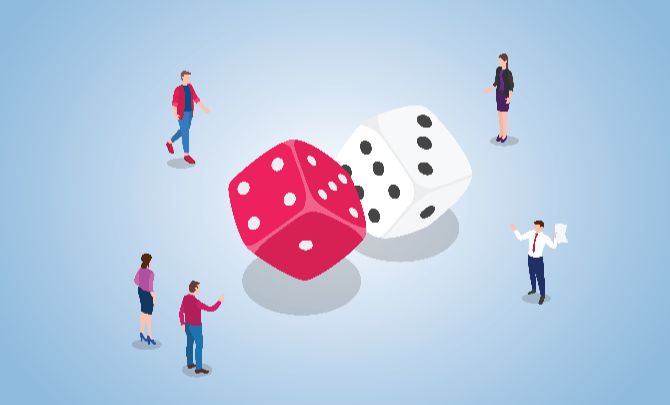
We like to think we’re in the driver’s seat, making sharp, logical choices from breakfast until bed. But if you look closer, life is really just a series of bets. You don’t need a PhD in mathematics to realize that every time you merge onto a highway or grab an umbrella “just in case,” you’re playing a high-stakes game of probability. It’s the silent engine under the hood of our daily lives.
Why We Get the Small Stuff Wrong
Probability isn’t just about flipping coins or rolling dice in a board game. It’s actually a way of measuring how likely an event is to happen. But here’s the thing: humans are notoriously bad at it. Our brains are wired for stories, not data points. We remember the one time it rained after the forecaster promised sunshine, but we forget the thirty times they were spot on.
Take your morning commute. You might think a specific route is “cursed” because you hit three red lights in a row yesterday. In reality, that’s just a random cluster. Probability allows us to see past this guesswork and make sense of complex systems. It’s the same logic experts use to track the spread of a virus, plan city traffic, or predict market shifts. When applied to examples like lottery odds, probability demonstrates how chance is governed by fixed numerical relationships rather than personal choice or timing. This explains why a rare event—like a neighbor hitting the jackpot—can happen without breaking the laws of math. It’s not fate; it’s just the numbers finally catching up.
The Power of “Expected Value”
Have you ever wondered why insurance companies are so wealthy? They live and breathe “expected value.” This is the average outcome if you were to repeat an action thousands of times. While you might feel like you’re “wasting” money on car insurance because you haven’t crashed lately, the company knows that across a million drivers, the math always tips in their favor.
We do this too, often without realizing it. When you’re deciding whether to wait ten minutes for a bus or walk home, you’re essentially betting on that bus actually showing up. We’re all mini-statisticians, even if we’re just going with our gut.
Making Peace with Uncertainty
It’s a bit humbling, isn’t it? To realize that so much of what we call “luck” is just the inevitable result of a massive, ongoing calculation. But understanding this can actually lower your stress. If you realize that a bad outcome was just a low-probability event that happened to occur, you stop blaming yourself for “bad choices” when the logic was actually sound.
Probability doesn’t tell us what will happen; it tells us what might happen. It gives us a map of the territory, even if the fog never quite clears.
How do you handle the “odds” in your own life? Do you trust your gut, or do you find yourself crunching the numbers before making a big move? Drop a comment below and let’s talk about the last time the “unlikely” happened to you!
